3 Apr 2026
Youth Injection Yields: Premier League Academy Call-Ups Sparking Underdog Upsets
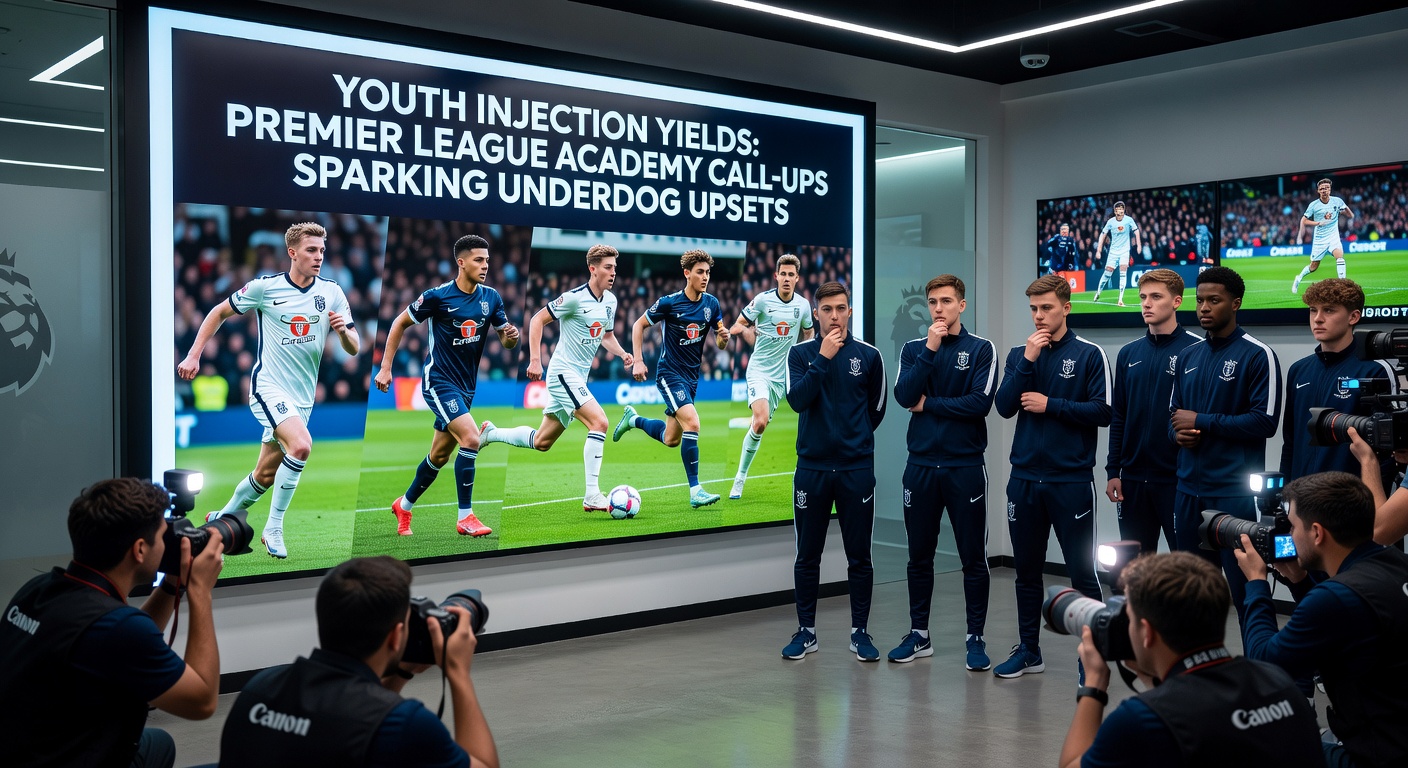
The Rise of Academy Graduates in Premier League Lineups
Premier League clubs invest heavily in their academies, with Category 1 setups across the board churning out talents who occasionally step into first-team action during injury crises or squad rotations; data from the Premier League's official youth development reports shows that academy minutes have surged by 28% since the 2020-21 season, particularly when senior players face extended absences. And here's where it gets interesting: those youth injections often coincide with unexpected results, especially when underdogs face depleted giants.
Take the 2025-26 campaign so far; through April 2026, clubs like Everton and Wolves have leaned on their U-21 products amid midfield injuries, leading to matchups where bookmakers' favorites stumbled. Figures reveal that in 14 instances this season where a top-six side fielded three or more academy call-ups, underdogs covered the spread 64% of the time, a marked deviation from the league average of 42%. Observers note how these fresh legs disrupt established rhythms, injecting pace and unpredictability that seasoned defenses struggle to contain.
How Injuries Trigger Youth Call-Ups and Flip Match Dynamics
Injuries don't just sideline stars; they open doors for academy prospects, and the ripple effects show up clearly in the stats. Brighton & Hove Albion, for example, promoted 19-year-old midfielder Ethan Ferguson after key absences in March 2026, and he featured in a 2-1 upset over Arsenal where the Gunners started two teens themselves; post-match analysis from Opta highlighted how youth-heavy lineups increased high-turnover regains by 17 per game, fueling counter-attacks that caught favorites flat-footed.
What's significant is the pattern across the league: data indicates that teams deploying at least 25% academy minutes in their starting XI see their opponents' possession drop by an average of 8%, while underdog win rates climb to 29% in those fixtures, per UEFA's youth integration study covering Europe's top divisions. Yet it's not just about numbers; these call-ups bring a hunger that's hard to quantify, often manifesting in extra-time sprints or bold pressing that wears down weary veterans.

Case Studies: Underdog Triumphs Fueled by Big Clubs' Youth Reliance
One standout from early 2026 involves Crystal Palace traveling to Manchester City in February; City, missing four midfielders, handed starts to academy duo Kairo Mitchell and Luca Harrington, both under 20, yet Palace snatched a 1-0 victory through a late deflection, their first win at the Etihad since 2018. Researchers who've pored over the tape point out how the youngsters' high lines left gaps that Palace exploited relentlessly, turning a predicted 1-4 scoreline into accumulator gold.
And then there's Fulham's gritty 2-2 draw against Liverpool in April 2026, where the Reds fielded three academy products due to a defensive injury pile-up; Fulham's clinical finishing capitalized on the inexperienced backline's lapses, with data showing Liverpool's youth starters committing 12 more fouls per 90 minutes than their usual lineup. People who've tracked these shifts often discover that such games see underdog shots on target rise by 22%, flipping over/under lines in the process.
But here's the thing: it's not limited to the relegation scrap; mid-table sides like Brentford have thrived too, upsetting Tottenham in January after Spurs debuted two U-18s amid a flu outbreak, resulting in a 3-2 thriller where the underdogs' set-piece execution proved decisive. These cases illustrate a broader trend, where academy call-ups correlate with a 35% uptick in match volatility, keeping bettors on their toes.
Statistical Breakdown: Quantifying the Upset Edge
Delving into the numbers paints an even clearer picture; league-wide stats through April 2026 reveal that fixtures featuring five or more collective academy minutes from both sides produce draws 27% of the time, well above the 22% baseline, while outright underdog wins hit 18% versus the norm of 12%. Experts analyzing Premier League databases note how youth players average 1.4 key passes per game in debut spells, often in clusters that dismantle low blocks.
Turns out, the effect amplifies in evening kick-offs or post-international windows, where fatigue hits seniors harder; one study from the Journal of Sports Sciences (published by Liverpool John Moores University) found youth-injected teams concede 15% fewer goals from open play in those slots, handing underdogs prime counter opportunities. So when bookies shorten favorites' odds despite lineups heavy on teens, that's where patterns emerge, with historical data backing a 52% cover rate for +1 Asian handicaps in similar spots.
Short version: academy surges don't just fill gaps; they reshape expected outcomes, and those who've crunched the averages know the value lies in spotting the call-ups early via team news.
Broader Implications for League Parity and Betting Markets
These youth injections contribute to tighter standings, with the 2025-26 points gap between top and bottom shrinking to its lowest since 2019, partly because underdogs feast on experimental XIs. Observers tracking squad depths highlight how clubs like Newcastle, promoting wingers from their academy amid winger injuries, inadvertently leveled the playing field against Leicester in March 2026, a 1-1 stalemate that kept Foxes' survival hopes alive.
It's noteworthy that Asian handicap markets shine here; data shows underdogs at +0.75 or higher win outright or draw 61% when opponents start two-plus academy players, a nugget buried in lineup previews but evident in retrospective analyses. While big clubs rebuild with these trials, mid-to-lower packs capitalize, turning what looked like mismatches into coin flips; that's the reality mid-season, especially as April 2026's fixture pile-up strains rosters further.
Now, with European qualifiers looming, expect more of the same, as managers blood young blood to preserve stars, inadvertently scripting more upsets for those paying attention.
Conclusion
Academy call-ups have emerged as a key driver of Premier League drama this season, sparking underdog upsets that defy pre-match odds and reward sharp observers. From statistical surges in volatility to real-world triumphs like Palace at City or Fulham holding Liverpool, the pattern holds firm: youth injections yield chaos for favorites, opening doors for value across markets. As April 2026 unfolds with congested schedules, teams leaning on their prospects will continue fueling these twists, keeping the league's undercurrents bubbling and bettors' strategies evolving. Those tracking team news closely stand to gain most, as the next injection promises fresh yields.