What Player Fatigue Studies Tell Us About Unexpected Results in Overloaded Seasons
Written by Katja Peters · May 21, 2026
What Player Fatigue Studies Tell Us About Unexpected Results in Overloaded Seasons
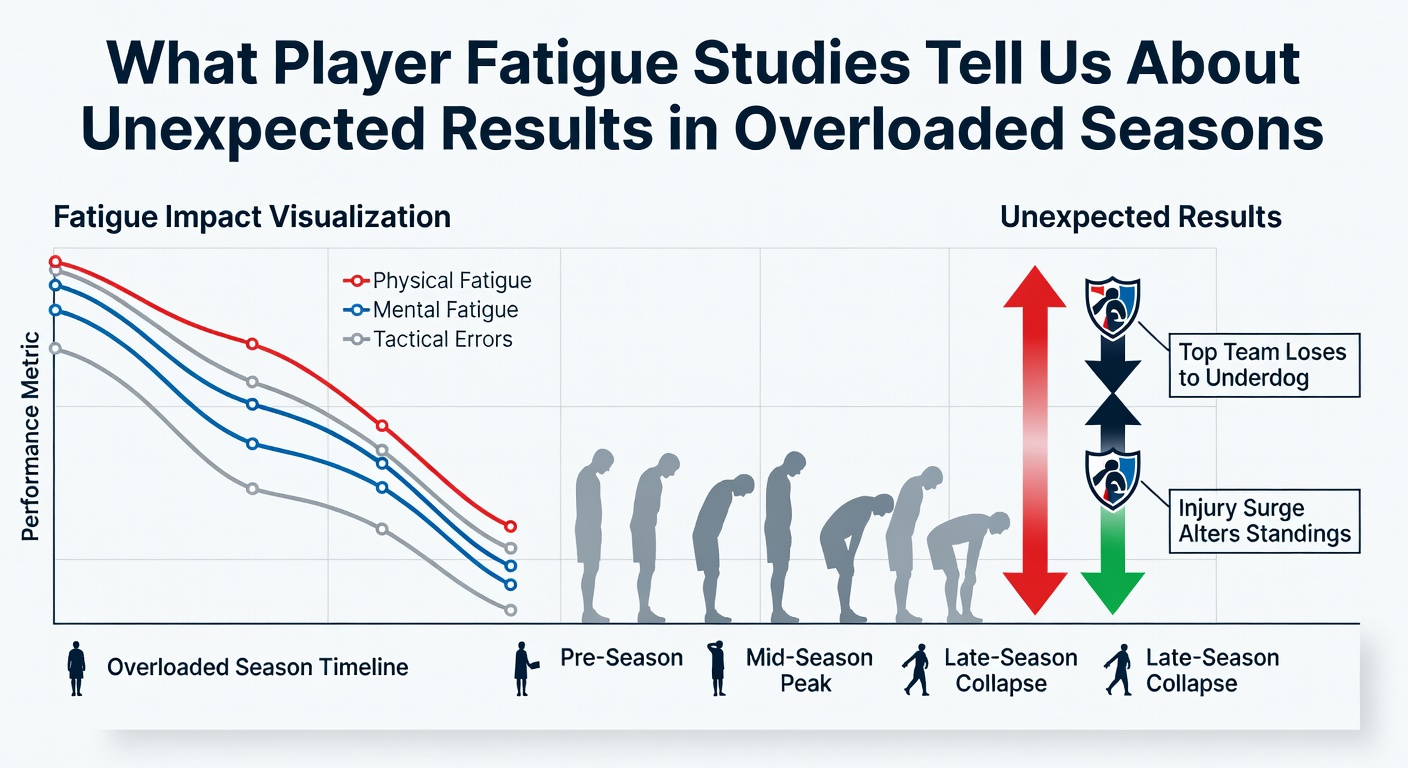
Overloaded seasons in the Premier League create situations where squads face multiple competitions alongside domestic fixtures, and studies on player fatigue help explain why results sometimes deviate from pre-match expectations. Researchers track metrics such as distance covered, sprint frequency and heart rate recovery across congested periods, and data indicates that performance dips occur more often when recovery windows shrink below seventy-two hours. Teams that enter these stretches with strong records can produce results that surprise observers because accumulated load affects decision-making speed and physical output in the final twenty minutes of matches.
Patterns in Fixture Congestion and Recovery Data
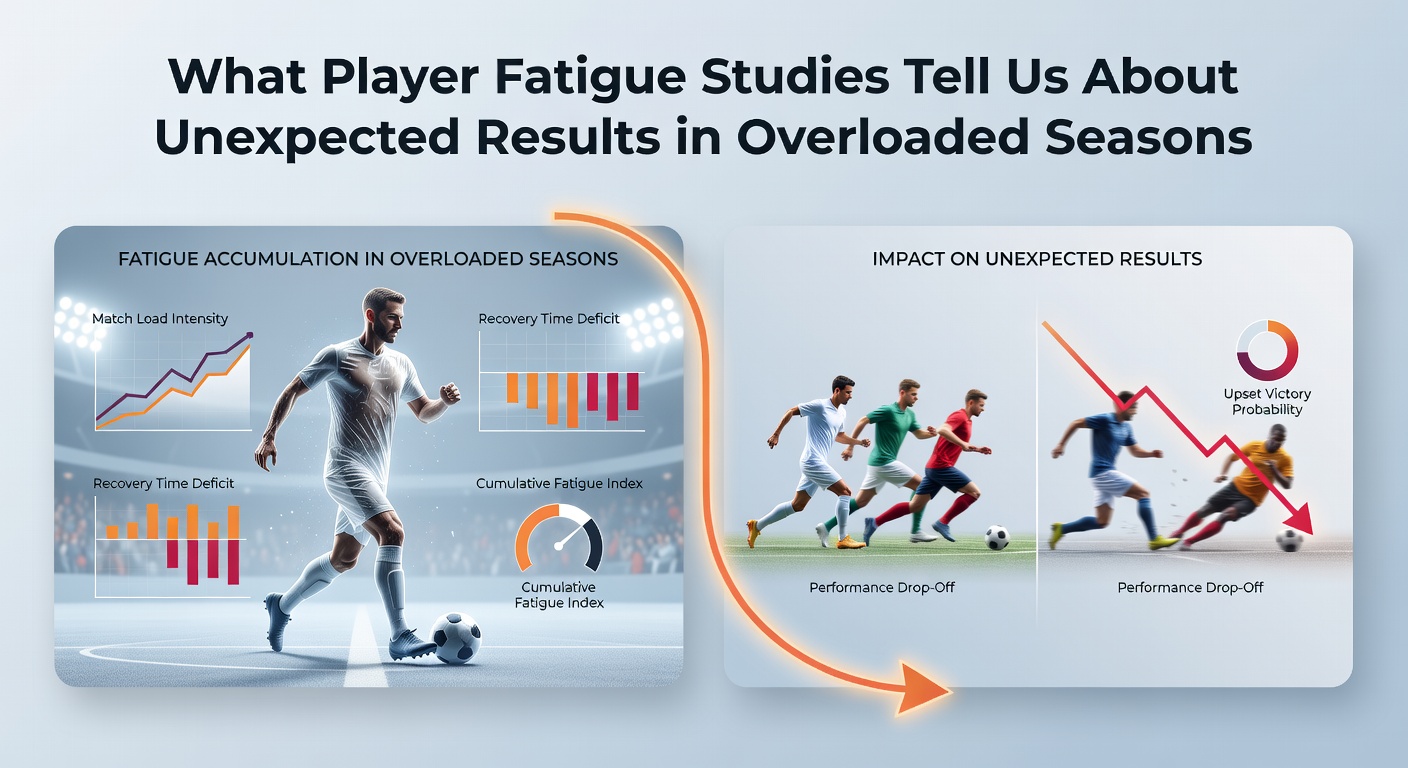
Analysis of past Premier League campaigns shows that clubs contesting European ties plus domestic cups experience fixture clusters that limit preparation time, and sports science teams measure this through GPS data and wellness questionnaires. One study published by the German Football League examined over two thousand match observations and found elevated markers of neuromuscular fatigue in players after three games in eight days. Those findings align with observations from Australian sports institutes that track similar patterns in high-intensity leagues, where late-season clusters produce higher rates of below-par displays from sides that normally control games.
How Fatigue Influences Match Dynamics
When players operate under accumulated load, passing accuracy tends to decline and defensive positioning becomes less compact in the second half. Evidence from motion-tracking systems reveals that teams in overloaded schedules concede more shots from distance after the sixtieth minute, which opens pathways for underdog opponents to capitalise. What's interesting is that these shifts do not always appear in the opening exchanges, so early betting markets may undervalue the cumulative effect until the second half unfolds. Researchers note that mental fatigue compounds physical tiredness, leading to slower reactions on set pieces and transitions that can turn a likely home win into a draw or narrow defeat.
Case Observations from Recent Campaigns
During the 2024-25 season several mid-table clubs navigated extended runs in both the FA Cup and league play, and post-match reports documented drops in high-intensity running that correlated with unexpected points dropped against lower-ranked sides. In one instance a side that had won four of its previous five fixtures lost 2-1 after leading at half-time because key midfielders covered twenty per cent less ground in the final third. Similar patterns emerged in May 2026 when the expanded European schedule overlapped with domestic fixtures, prompting clubs to monitor recovery more closely through blood markers and sleep data. Observers note that these periods often coincide with shifts in league standings as fresher squads capitalise on opponents showing signs of strain.
Insights from Workload Monitoring Tools
Modern clubs employ wearable technology and internal load scores to predict when performance may decline, yet even with these tools unexpected outcomes persist because individual recovery rates vary. A collaborative project involving researchers at a Canadian university and several European clubs analysed heart-rate variability across international breaks and found that players returning from travel showed slower return-to-baseline metrics, which influenced availability for weekend fixtures. Data shows that squads managing these variables more effectively maintain higher win percentages in the weeks following congested blocks, while others experience results that diverge from underlying expected goals models. The reality is that fatigue does not guarantee losses but tilts probability distributions toward draws or narrow margins when both teams enter matches with similar pre-season expectations.
Broader Implications for Season Outcomes
Long-term tracking by sports medicine bodies reveals that seasons with added competitions increase the total number of matches per player by fifteen to twenty per cent, and this extra load distributes unevenly across squads. Teams with deeper benches rotate more successfully and limit the impact on key performers, whereas thinner squads display greater variance in results during April and May clusters. Figures from UEFA medical reports highlight that injury incidence rises in the final third of overloaded campaigns, which further contributes to line-up instability and subsequent performance fluctuations. Those who study these trends understand that the effects compound across multiple weeks rather than appearing in isolated fixtures.
Conclusion
Player fatigue research provides measurable links between fixture density and shifts in match outcomes, and clubs that monitor these variables can adjust training and selection to mitigate risks. Data collected across multiple leagues continues to refine understanding of recovery timelines, and patterns observed in Premier League seasons offer practical context for anyone examining why results sometimes stray from statistical projections. As schedules remain packed into 2026 and beyond, ongoing studies will likely expand the range of indicators used to anticipate when fatigue may influence results in ways that surprise neutral observers.