Seasonal Travel Fatigue Patterns Reshaping Expected Results Across Extended Domestic Campaigns
Written by Eden Beck · May 19, 2026
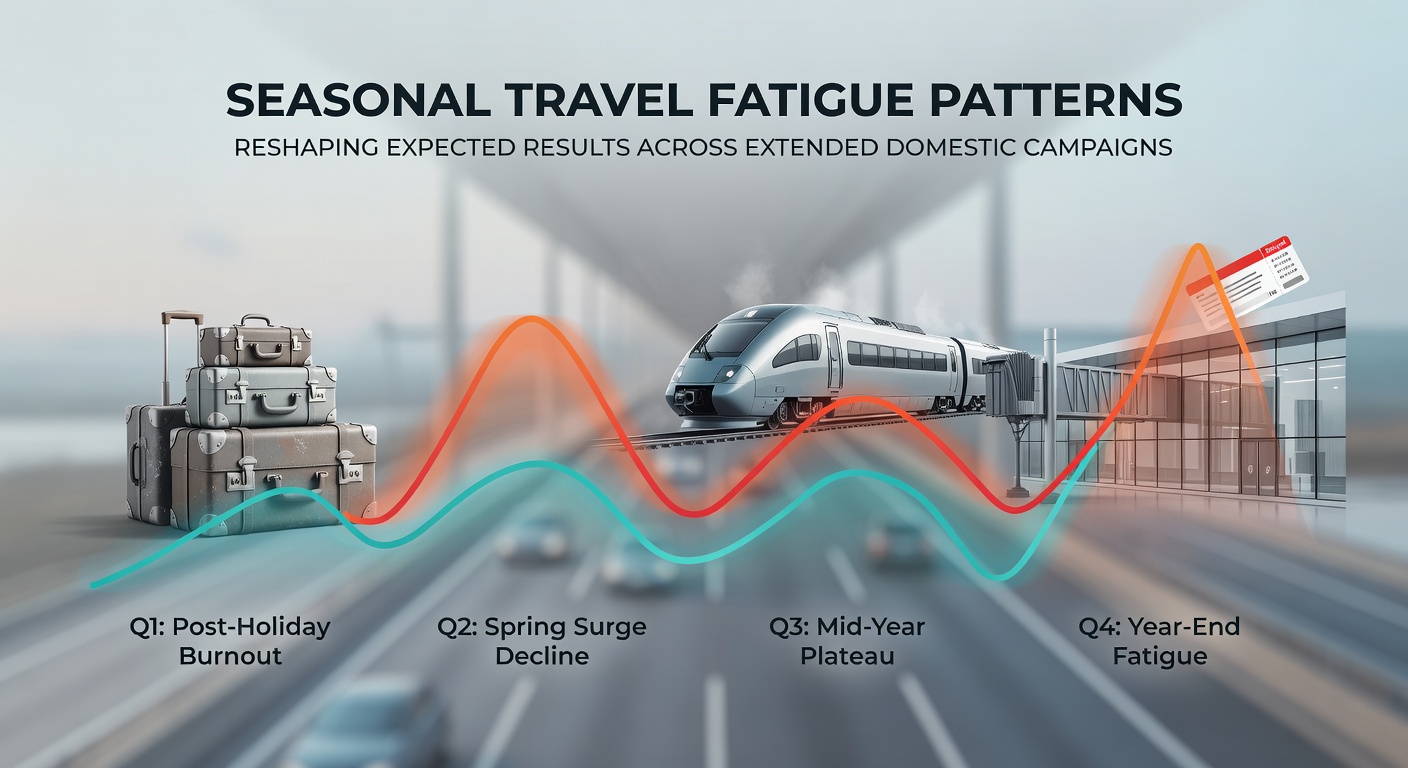
Seasonal Travel Fatigue Patterns Reshaping Expected Results Across Extended Domestic Campaigns
Travel demands accumulate steadily through domestic football seasons and create measurable shifts in team outputs that observers track closely across multiple months. Data from league-wide fixture analyses show that clubs covering greater cumulative distances between matches often record altered scoring rates and defensive metrics compared with shorter-travel periods earlier in the campaign.
Understanding Cumulative Travel Loads
Domestic schedules stretch from August through May and force repeated journeys that compound physical and logistical strain on squads. Researchers at the University of Groningen documented how repeated midweek travel correlates with elevated markers of muscle fatigue in players who log more than 300 kilometres per week during peak fixture congestion. These patterns become particularly pronounced once the calendar reaches the final third of the season when recovery windows shrink further.
Coaches adjust rotations and recovery protocols in response yet the underlying travel burden remains fixed by geography and league structure. Teams based in northern regions for instance face longer return trips after southern fixtures and those patterns repeat across several matchdays in succession. Performance databases reveal corresponding dips in high-intensity running distances logged by players on such routes especially after consecutive away assignments.
Performance Shifts in Later Campaign Stages
By the time May 2026 fixtures roll around fatigue accumulation reaches its annual peak for most Premier League squads. Historical match data indicate that away sides traveling more than 250 kilometres for a weekend game post-April show a statistically lower conversion rate on shots inside the box compared with their early-season benchmarks. Home teams meanwhile maintain steadier outputs yet still exhibit subtle reductions in pressing intensity when their own travel schedule has been dense in the preceding fortnight.
League statisticians note that expected goal differentials narrow in these late-season matchups while set-piece success rates fluctuate more than at other points in the year. The shifts appear most consistent among clubs that combine long-haul domestic travel with European commitments although purely domestic campaigns still display measurable effects when fixture lists bunch together.

Regional Variations and Schedule Density
Geographic spread within domestic leagues produces distinct fatigue signatures that analysts map against final table positions. Clubs operating from more isolated locations accumulate extra travel time that compounds across the winter months and into spring. Figures compiled by the Australian Institute of Sport on similar extended schedules highlight how even modest increases in weekly travel distance correlate with higher injury incidence rates in collision sports including football.
Fixture congestion around international breaks adds another layer because returning players often rejoin squads already navigating dense travel blocks. Match reports from the 2025-26 season illustrate how several mid-table sides recorded consecutive lower-than-average possession retention figures immediately after such combined travel and rest disruptions. These outcomes feed directly into revised performance models used by data teams preparing for remaining fixtures.
Strategic Adjustments by Technical Staff
Coaching groups respond by modifying training loads and travel logistics in advance of known high-fatigue periods. Sleep monitoring and nutrition timing become priority areas once cumulative distances exceed seasonal thresholds. Evidence from multi-season tracking studies shows that teams implementing structured recovery protocols maintain closer alignment with pre-season expected outputs even as total travel kilometres rise.
Opposition analysts meanwhile incorporate travel-fatigue variables into pre-match briefings so they can anticipate when visiting sides might cede territory or struggle to sustain pressing lines. The adjustments appear in both starting lineups and in-match substitutions as managers seek to offset the physical toll documented across prior comparable fixtures.
Conclusion
Seasonal travel fatigue leaves identifiable marks on team metrics that evolve across an extended domestic campaign and become especially relevant during the closing months. Performance records from recent seasons demonstrate consistent directional shifts in key indicators once cumulative distances and fixture density increase. Technical staffs continue to refine countermeasures while data platforms integrate these patterns into updated forecasting frameworks that reflect real-world conditions rather than static early-season baselines.