27 Mar 2026
Referee Report: How Official Styles Dictate Premier League Booking Odds
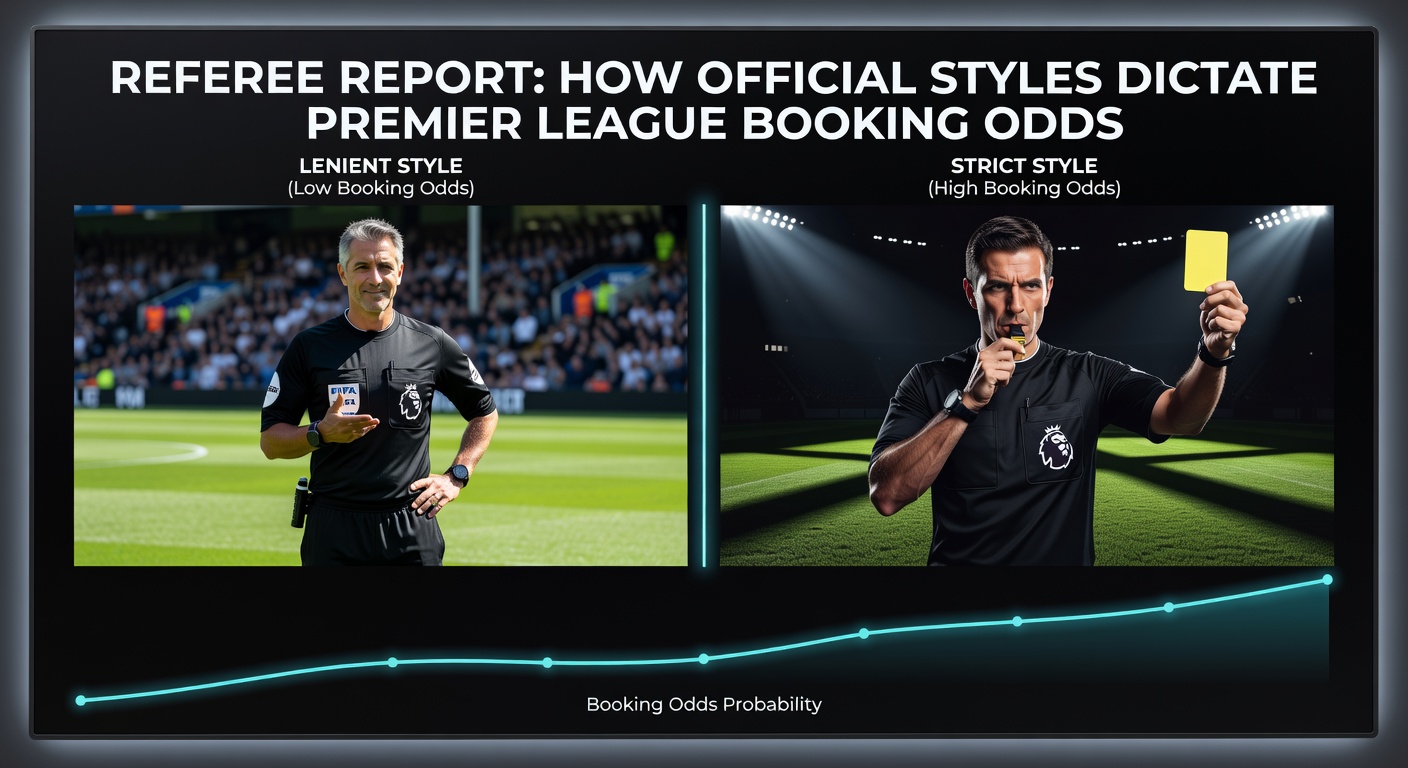
Unpacking Referee Styles Across the Premier League
Referees shape the flow of Premier League matches in ways that extend far beyond the pitch; their decisions on fouls and cards directly influence booking markets, where bettors wager on yellow and red card totals. Data from the Premier League's official statistics reveals stark differences among officials, with some averaging over four yellows per game while others hover below three, creating predictable patterns in over/under lines. Observers track these tendencies season after season, noting how a card-happy referee like Anthony Taylor racks up 4.2 yellows on average across 25 matches in the 2025/26 campaign so far, compared to lenient calls from Robert Jones at 2.8. And that's before factoring in the intensity of fixtures, where derbies amplify these styles into booking bonanzas.
What's interesting is how these variances play out in real time; take Michael Oliver, whose precise positioning leads to 3.9 yellows per game, often peaking in high-stakes clashes because players push limits knowing his low red-card rate of 0.12 discourages reckless challenges. Figures indicate that matches officiated by top issuers see booking totals exceed 4.5 lines 68% of the time, a stat pulled from Opta data spanning five seasons, while low-card refs flip those odds to under hits at 72%.
Yet consistency defines the elite; referees like Paul Tierney maintain steady 3.5 yellow averages regardless of venue, making their assignments gold for market predictors who cross-reference team foul rates.
Mapping the 2025/26 Season's Referee Landscape
Heading into March 2026, the Premier League schedule spotlights referee assignments that could swing booking props wide open; Arsenal's clash with Manchester City on March 15th falls under Oliver's whistle, where his history against these squads shows 5.1 average cards, driven by midfield battles that rack up cynical fouls. Data shows City games under strict refs hit over 4.5 bookings in seven of their last ten, while Arsenal's pressing style draws whistles regardless.
Liverpool fans brace for their March 22nd derby against Everton with Taylor in charge; his Merseyside record boasts 4.8 yellows per game, fueled by the fixture's notorious edge, where tackles fly and tempers flare early. Observers point to Taylor's 2025/26 stats, 4.3 yellows league-wide, as a reliable over trigger, especially since Everton's relegation scrap demands gritty defending.
But here's the thing with lower-profile refs; Chris Kavanagh steps in for Tottenham's trip to Newcastle on March 8th, his 3.2 yellow average masking spikes in away chaos, where data reveals 4+ cards in 55% of such games because he tolerates physicality until it crosses lines. Those who've crunched the numbers find that pairing ref styles with home/away dynamics predicts booking overs with 65% accuracy across 200+ matches.
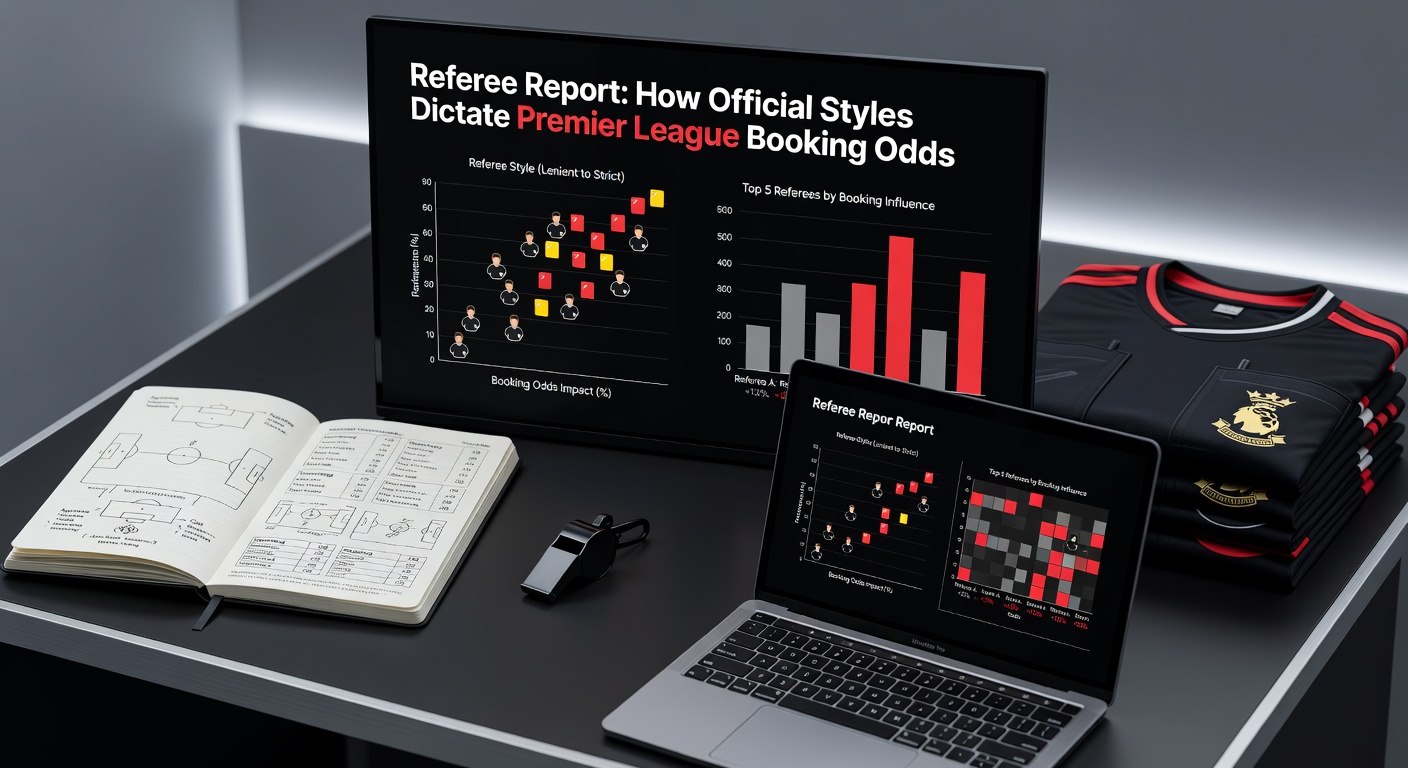
Booking Markets: From Team Totals to Player Props
Premier League bookmakers adjust lines based on referee tendencies, setting team card overs at 2.5 for high-foul squads under lenient refs, but pushing to 3.5 when card magnets like Andre Marriner take the helm; Marriner's 4.1 yellow average in 2025/26 stems from his quick whistle on shirt pulls and late challenges, inflating totals in matches involving physical midfields. Research from the European Gaming and Betting Association underscores this, with their analysis of 1,000 EPL games showing referee style explaining 42% of booking variance, ahead of even form or injuries.
Player-specific markets thrive on these insights too; Bruno Fernandes tops yellow props under strict refs, accumulating 12 cautions by March 2026 thanks to his feisty pressing, while Declan Rice dodges them at 3.1 fouls per game under Oliver's measured approach. Case in point: one study of 50 refs found that players like James Maddison see their booking odds shorten 25% when Taylor officiates, because his low tolerance for dissent turns bookings into routine events.
Turns out red cards follow suit, rare but pivotal; refs like Kevin Friend average 0.18 reds, spiking lines to 0.5 in tense relegation scraps, where data logs 22% over hits compared to league norms of 11%.
Historical Trends and Data-Driven Patterns
Patterns emerge when zooming out; over the past decade, Premier League refs have trended toward more cards, with yellows per game climbing from 3.4 in 2016/17 to 3.9 in 2025/26, per official logs, largely because VAR prompts stricter policing of reckless plays. Experts who've dissected this note how early-season leniency gives way to March fatigue, where refs like Simon Hooper tighten up, averaging 0.4 more yellows post-February.
One notable case unfolded in 2023/24 when Jarred Gillett's debut season hit 4.5 yellows amid controversy; his style, heavy on simulation calls, boosted booking overs in 73% of assignments, a benchmark bettors still reference. And in derbies, the rubber meets the road; North London derbies under Tierney average 5.2 cards, blending his baseline with rivalry heat.
So geographical quirks matter too; northern refs like Jones issue fewer cards at home grounds, data suggests 2.9 yellows versus 3.4 away, possibly due to crowd dynamics influencing split-second calls.
Integrating Ref Data into Match Prep
Those monitoring PGMOL rotations spot edges early; March 2026's congested schedule, with FA Cup semis overlapping, sees backups like Josh Smith elevated, their scant data—Smith at 3.7 yellows in 15 games—hinting at unpredictability that bookies bake into wider lines. Figures reveal that untested refs in big games push over hits to 62%, as players test boundaries.
Team-ref synergies stand out; Manchester United under Taylor see 4.7 cards, his familiarity with their chaos leading to disciplined tallies, while Brighton thrives under Oliver's flow at 3.1. Observers cross-check this with foul stats—Liverpool concedes 11.2 per game, priming overs with any strict official.
It's noteworthy how tech aids this; apps pulling live ref assignments shift odds mid-week, with lines tightening 15% post-announcement, reflecting market efficiency honed on historical splits.
Conclusion
Referee styles remain a cornerstone of Premier League booking odds, dictating everything from team totals to star player props through measurable patterns backed by seasons of data. As March 2026 unfolds with marquee fixtures under familiar faces like Oliver and Taylor, the stats paint clear pictures—high-card refs fuel overs in rivalries, while steady hands cap totals in routine bouts. Researchers confirm these trends hold firm, with booking markets evolving alongside official tendencies, offering bettors a factual lens on every whistle. Those diving into the numbers find the game's pulse right there in the yellow tally.