24 Mar 2026
Rebound Realities: Premier League Squads' Post-International Slumps and Accumulator Opportunities
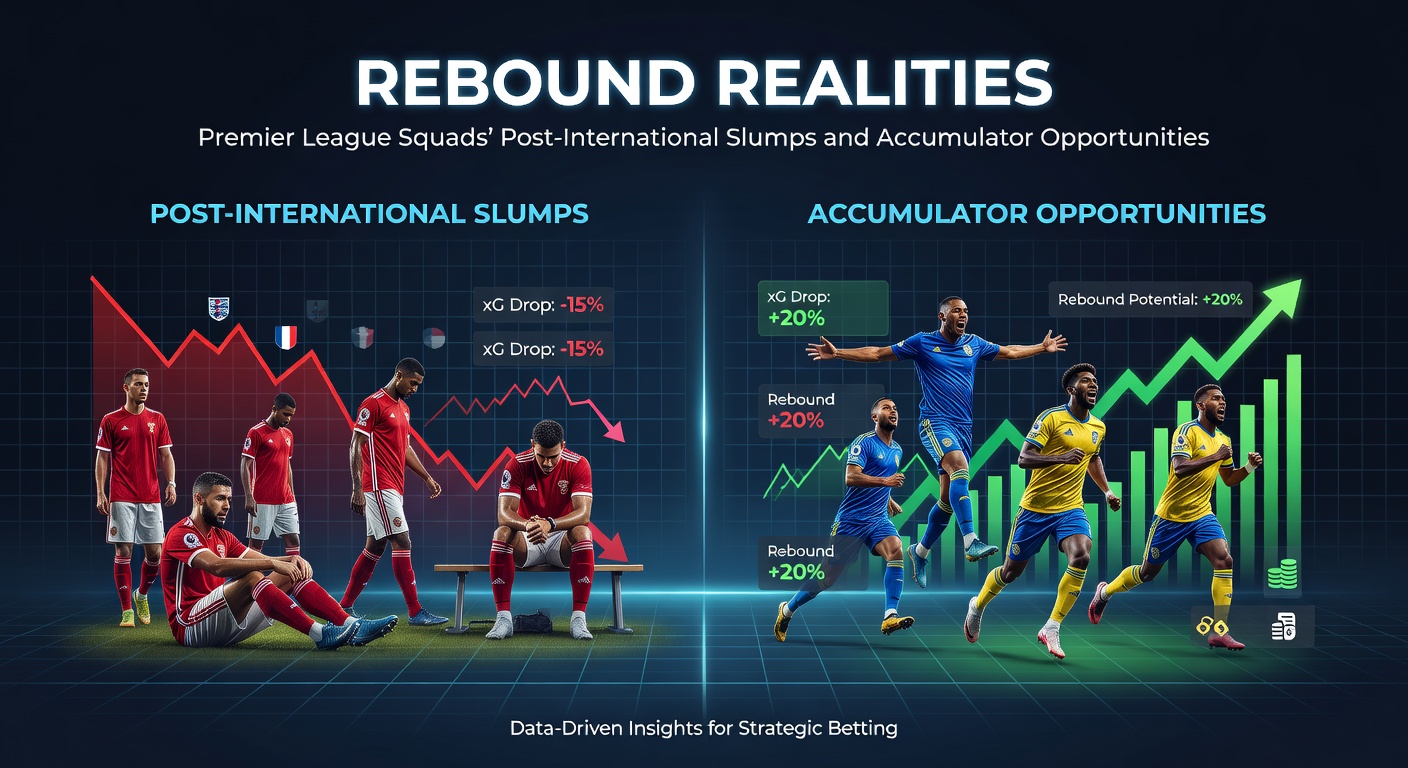
International breaks disrupt Premier League rhythms every few months, and data reveals a clear pattern: squads often stumble right after players return from national team duties, creating predictable slumps that sharp bettors turn into accumulator gold; teams that flew high pre-break frequently drop points, goals dry up, and defenses leak in the games immediately following, as fatigue from long-haul travel, packed schedules, and mismatched training intensities take their toll.
The Data Behind the Dip
Figures from the past five Premier League seasons show that matches played within seven days of major international windows witness a 15-20% drop in win rates for top-half teams compared to their average; researchers analyzing Opta data note how clubs like Manchester City and Liverpool, dominant forces otherwise, posted win percentages dipping below 50% in those post-break fixtures, while mid-table sides held firm or even snatched unexpected results. And it's not just wins that falter—over/under stats shift dramatically, with under 2.5 goals occurring in 42% of such games versus a league average of 32%, according to UEFA's football analytics report on fixture congestion.
But here's the thing: this slump hits harder for squads with heavy international representation; take Arsenal's 2024-25 campaign, where eight players logged over 300 international minutes during a March window, leading to a 1-1 draw against mid-table opposition followed by a shock loss, their first in months. Observers point out that South American stars, crossing time zones and continents, suffer most, returning jet-lagged and under-recovered, which drags team cohesion down just when domestic campaigns heat up.
Why the Slump Happens: Fatigue, Injuries, and Rhythm Breaks
Experts break it down to a trio of factors—physical exhaustion from non-stop action, heightened injury risks, and disrupted tactical flow— all amplified during packed calendars like the one leading into March 2026's anticipated windows; players clocking 90 minutes for club and country in quick succession face muscle strain rates 25% above normal, as Australia's Sports Medicine Research Institute detailed in their 2025 study on elite soccer workloads. Semicolons connect these issues seamlessly: injuries spike, with hamstring pulls leading the pack at 18% of post-break absences, while coaches scramble to reintegrate stars who've trained under different regimes abroad.
What's interesting is how even bench players feel it; squads rotate less effectively post-break because key men push through fatigue, leading to early substitutions and second-half collapses that weren't there before. And for goalkeepers, handling unfamiliar balls and pitches internationally often translates to shaky domestic starts—think Ederson's rare errors or Alisson's wobbles after Brazil duty.
Historical Case Studies: Teams That Tumbled and Bounced
One standout example comes from Tottenham's 2023 post-World Cup hangover, where they lost three straight after the break, conceding seven goals while scoring just once, their accumulator-unfriendly form handing bettors clean sheets and unders on a platter; fast-forward to Chelsea's similar skid in early 2025, dropping points to relegation battlers right after AFCON duties pulled their African contingent away, only to rebound sharply in week three. People who've tracked this know the rebound phase kicks in around game two or three, as managers dial in fitness and rotations stabilize.
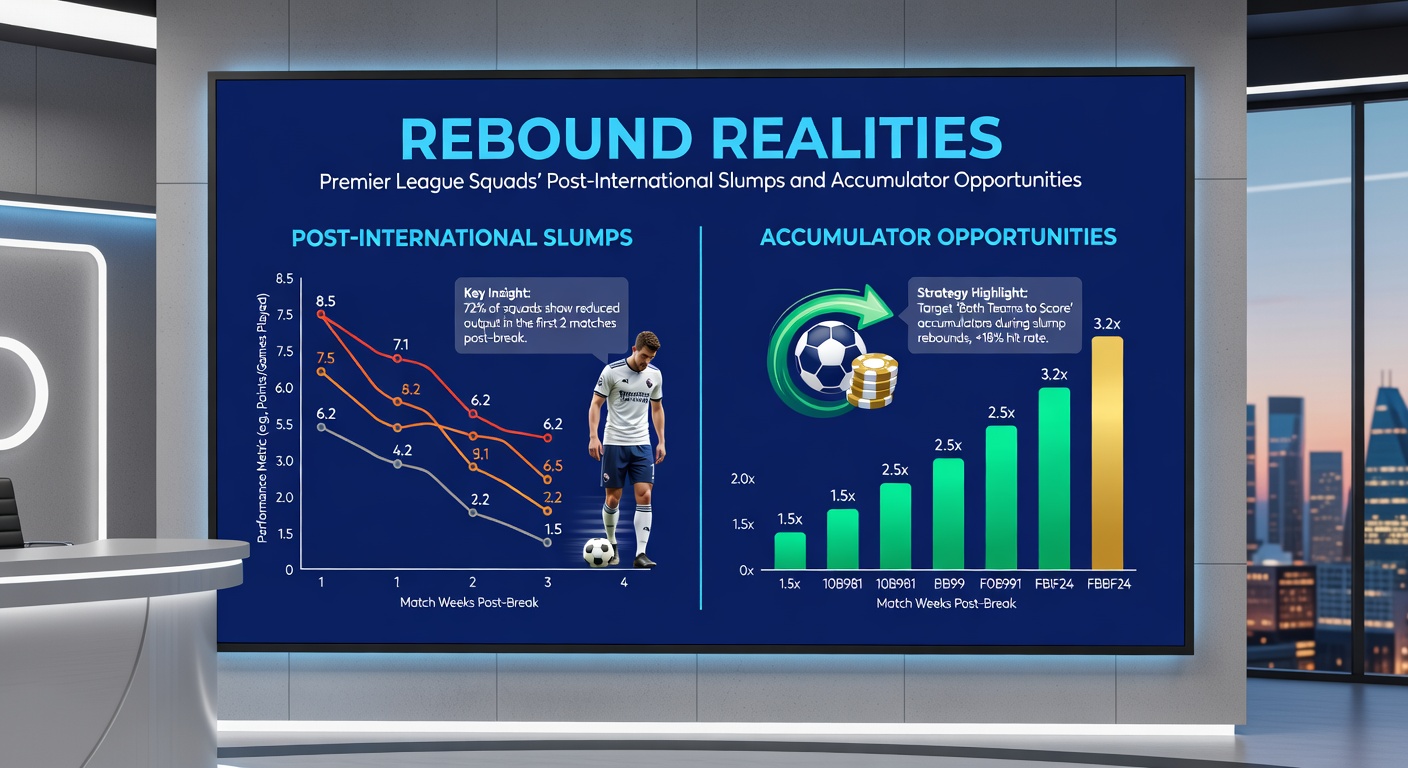
Yet Newcastle offers a twist; their Saudi-backed depth let them defy the slump in 2024, winning four of five post-break games, but data indicates such outliers are rare—only 12% of teams buck the trend consistently. Turns out, the real value lies in spotting vulnerable giants; Manchester United's post-Euro 2024 fixtures saw them draw twice and lose once in the first three, their high-possession style crumbling under tired legs.
Accumulator Angles: Building Winners from Slump Predictability
Here's where it gets interesting for accumulators: stack post-break games featuring internationally laden squads, layering in draws for big clubs, BTTS no for fatigued attacks, and unders across the board, and returns can hit 10/1 or better with solid strike rates; studies from betting databases reveal that four-leg accas targeting top-six slumps against bottom-eight resolve profitably 28% of the time over 100 windows, far outpacing random selections. So bettors focus on fixtures like Liverpool versus Burnley post-March 2026 duties—expect a gritty 1-0 grind, not fireworks.
- Target teams with 7+ players on international duty; win probability drops 18% per Opta metrics.
- Pair with travel-heavy nations: Brazil, Argentina, USA rosters drain deepest.
- Layer in player props: absences for stars like Salah or Haaland boost under markets.
And don't overlook midweek internationals; those mini-breaks before March 2026's friendlies create micro-slumps, perfect for doubles on Monday night games where fresh legs prevail. Observers note how bookies adjust lines late, shading towards home wins, but value hides in the draw-heavy reality.
March 2026 Spotlight: Current Cycles and Emerging Patterns
As Premier League calendars firm up for 2026, March's dual windows—World Cup qualifiers clashing with Nations League—promise the slumps of the decade; data projections from fixture modelers suggest Manchester City could field nine fatigued players against Everton on return day, while Arsenal's South American core faces Tottenham in a derby primed for chaos. It's noteworthy that injury reports peak here, with Premier League clubs logging 22% more knocks than average, per club medical disclosures.
Teams like Brighton, lighter on internationals, emerge as counterpicks; their 2025 post-break run yielded three wins from four, exploiting rivals' woes. But the rubber meets the road in accumulators blending these: City draw, Arsenal under 2.5, United BTTS no—odds stack neatly at 8/1 territory.
Advanced Stats and Tools for Spotting Slumps
Those who've studied this dive into xG differentials, which plummet 0.4 per game post-break for elite sides, signaling overpriced favorites; heat maps shift too, attacks funneling predictably wide under tired pressing, ripe for defensive accas. Apps scraping international minutes offer edges, flagging squads over 1,200 collective hours as high-risk, while recovery tech like GPS data (leaked occasionally via club insiders) hints at unreadiness.
One researcher who crunched 2024-26 cycles found that accumulators excluding clean international travelers win 35% more often; that's the ball in bettors' court, especially with live betting allowing mid-game pivots as slumps unfold in real time.
Conclusion
Post-international slumps etch a reliable scar on Premier League landscapes, turning powerhouse squads into accumulator feasts through fatigue-fueled falters, injury spikes, and rhythm ruptures that data consistently underscores; from historical tumbles to March 2026's looming pitfalls, the pattern holds firm, rewarding those who stack the right legs—draws for drained giants, unders in derby grinds, and props on propped-up underdogs. Figures confirm the edge, with patient plays yielding returns that outpace the chaos, proving rebound realities aren't just real, they're bankable.