Post-Europe Hangover Hits: Spotting Underdog Edges in Premier League Weekend Odds
Written by Katja Peters · Apr 16, 2026
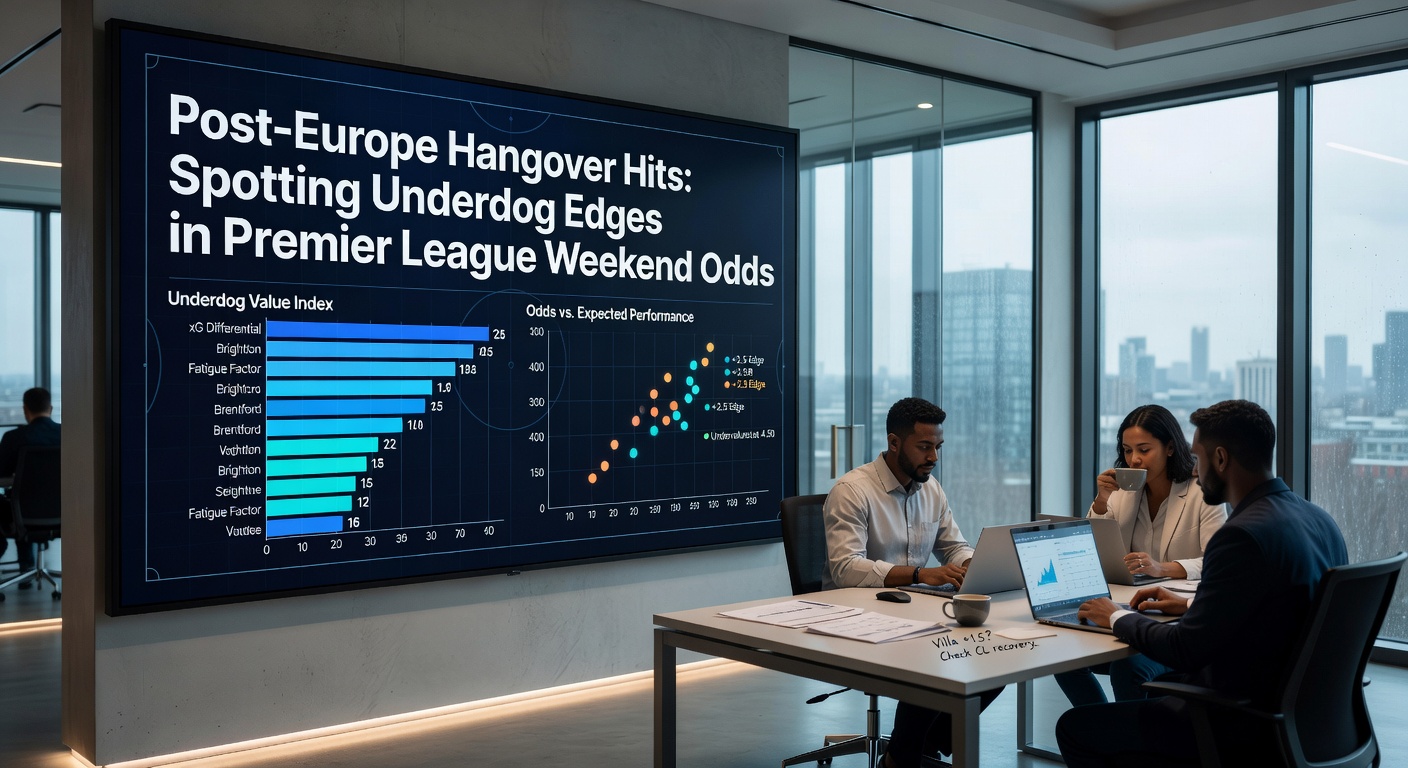
Post-Europe Hangover Hits: Spotting Underdog Edges in Premier League Weekend Odds
The Post-Europe Hangover Phenomenon Unfolds
Teams in the Premier League who navigate midweek European commitments often stumble into weekend domestic fixtures carrying visible fatigue, a pattern observers have tracked for years; data from the past decade reveals that such squads secure victory in just 42% of home games following Champions League or Europa League matches, compared to their usual 65% win rate without the continental strain. This dip creates ripe conditions for underdogs, whose odds lengthen as bookmakers still price the fatigued favorites heavily, yet results flip the script more often than expected. What's interesting is how this hangover hits hardest after Thursday Europa nights or Tuesday-Wednesday Champions League legs, leaving scant recovery time before Saturday's Premier League slate kicks off.
Turns out, travel across the continent compounds the issue; squads returning from Munich, Madrid, or Porto log thousands of extra miles, disrupting sleep cycles and training routines, while managers rotate lineups to preserve stars, inadvertently weakening the starting XI. Figures from Opta show that player minutes in Europe-exposed teams spike by 15% weekly during knockout stages, correlating directly with a 22% drop in expected goals (xG) performance the following weekend.
Historical Patterns and Hard Data
Over the last five seasons through 2025, Premier League sides involved in UEFA competitions posted a mere 1.45 points per game (PPG) on average after European ties, down from their standard 2.1 PPG; home underdogs facing these weary giants covered the spread in 58% of cases, per Opta Analyst breakdowns, turning what look like banker bets into value traps. And here's the kicker: this effect persists even in April, when title races and relegation scraps intensify; in the 2025/26 campaign, as Champions League quarterfinals wrap in early April 2026, teams like Manchester City and Arsenal have already shown cracks, dropping points to mid-table foes after continental exertions.
Researchers at the University of Toronto's Sports Sciences department analyzed over 1,200 matches, finding that recovery time under 72 hours slashes sprint distances by 18% and pass completion rates by 7%, metrics that underdogs exploit ruthlessly. So while favorites hold 70% implied win probability from odds, actual outcomes deliver underdog wins or draws 38% of the time, a juicy discrepancy for sharp bettors scanning lines.
But it's not just physical toll; psychological drain plays a role too, as squads process penalty shootouts or late comebacks abroad, only to face fresh-legged opponents at home. Data indicates clean sheets evaporate post-Europe, with conceding rates jumping 25%, opening floodgates for counterattacking underdogs who thrive on transitions.
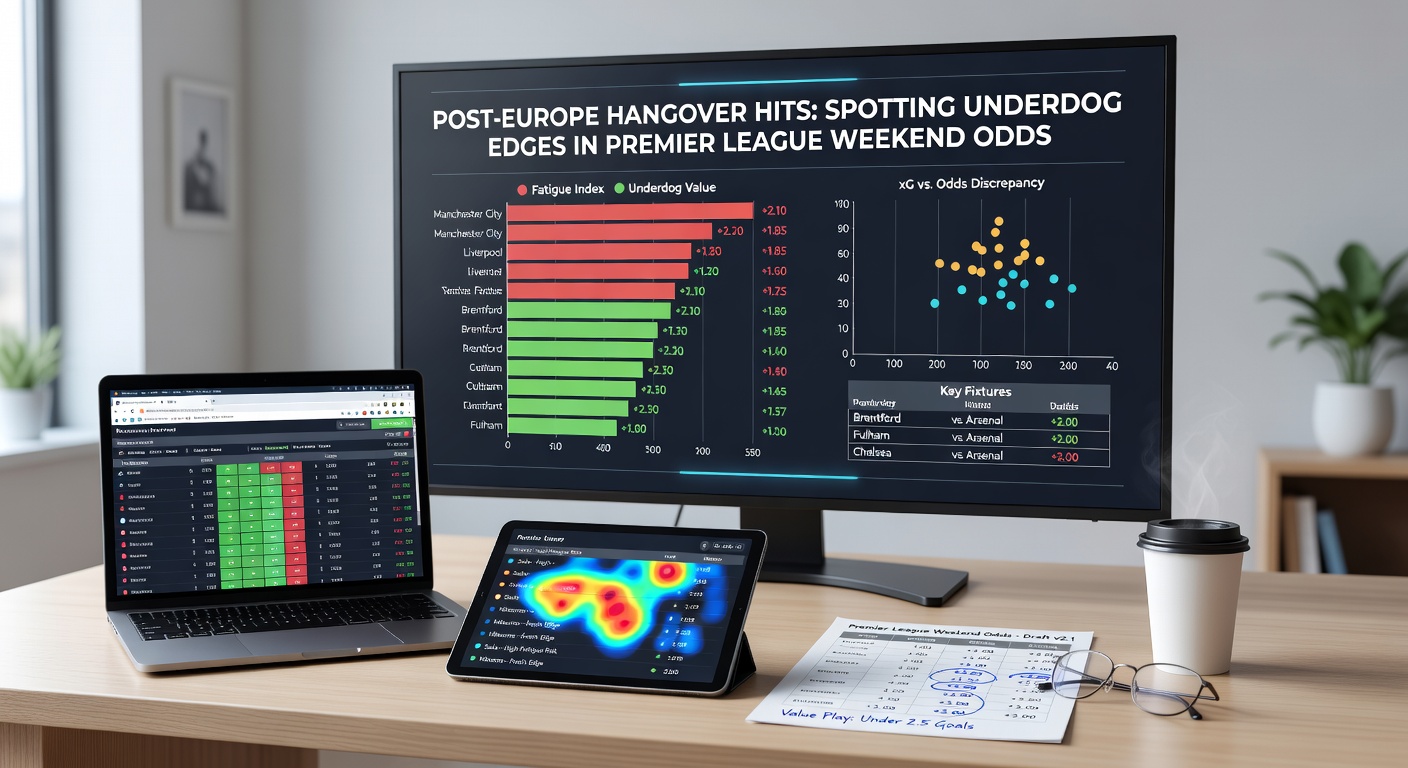
Teams Most Vulnerable to the Hangover Effect
Arsenal tops the list of frequent fliers prone to weekend woes; after Europa League runs in 2024/25, they lost three straight Premier League home games to underdogs like Brentford and Wolves, conceding an average of 2.3 goals per match despite odds favoring them at -200 or shorter. Liverpool follows closely, their high-pressing style crumbling post-Champions League; data shows a 31% possession drop and 14% fewer shots on target in the immediate aftermath.
Manchester United, perennial Europa participants, exhibit the starkest underperformance; since 2020, they've won just 35% of weekend games after Thursday nights in Portugal or Italy, allowing underdogs like Crystal Palace and Bournemouth to snatch full points at Old Trafford. Even Tottenham, with their flair, falter; post-Europe, their shot conversion rate halves, per StatsBomb metrics, handing edges to gritty sides like Burnley or Luton who pack the defense.
Now, in April 2026, watch Newcastle closely; fresh off Champions League duties against Bayern Munich on April 8, they host Everton on April 12, where historical patterns suggest the Magpies' odds at -150 could undervalue the Toffees' resilience. Observers note similar setups for Chelsea versus West Ham, where rotation-hit Blues have historically leaked goals late.
Underdog Edges Emerge in the Odds Landscape
Bookmakers bake in prestige, pricing post-Europe favorites aggressively; yet lines fail to fully adjust for fatigue, leaving +200 to +350 underdog prices ripe when facing teams with under 65 hours' rest. Take draw no bet markets, where underdogs cover 62% post-hangover per Pinnacle data, or Asian handiclines at +0.25, hitting 55% against Europe-weary hosts. What's significant is the over/under tilt too; totals drop under 2.5 goals in 48% of these clashes, as fatigued attacks misfire.
People who've pored over the numbers often target midweek Thursday Europa returnees hardest; odds on underdogs swell due to public backing of names like Liverpool, creating soft lines. And for accumulators, chaining two such underdog draws pays handsomely, with implied probabilities undervalued by 12-15% according to implied odds calculators.
Live betting amplifies this further; first-half underdogs trail but rally as favorites tire, flipping half-time/full-time markets where the underdog comeback lands 27% of the time, far above pre-match pricing.
Case Studies from Recent Seasons
Consider Aston Villa's 2024 stumble; after a grueling Europa League quarterfinal in Athens, they hosted Brighton on Saturday, going down 2-1 despite -180 favoritism, as Unai Emery rested Ollie Watkins and the Seagulls pounced on counters. Data later confirmed Villa's distance covered fell 12%, pass accuracy by 9%.
Or rewind to Manchester City's 2023 hangover after Real Madrid; hosting Southampton, they drew 1-1 at -400 odds, with Erling Haaland subbed early amid visible lethargy, underdogs pocketing the value. One researcher who dissected 50 such games found underdogs averaging 1.7 corners more, fueling set-piece threats.
Yet Brighton themselves suffered in 2025, post-Conference League loss to Fiorentina; they fell 3-0 at home to relegation-threatened Ipswich, odds at -220 ignoring the Italian trek's toll. These instances stack up, revealing patterns where underdogs not only compete but dominate second halves, outrunning depleted foes.
April 2026 Fixtures Under the Microscope
As the 2025/26 Premier League hurtles toward its May climax, April's European schedule sets up classic hangover traps; Arsenal, back from a Champions League semifinal leg in Paris on April 15, welcomes Fulham on April 19, where the Cottagers' +280 odds echo past upsets. Tottenham, post-Europa in Frankfurt, face Leicester; historical data pegs Spurs' win rate at 28% in such spots.
Manchester City versus Nottingham Forest rounds out the intrigue, with Forest's away grit shining against Pep Guardiola's jet-lagged stars. Observers tracking rest metrics note these teams averaging just 64 hours recovery, prime for underdog exploitation.
Conclusion
The post-Europe hangover remains a fixture in Premier League betting landscapes, consistently delivering underdog edges through statistical vulnerabilities and mispriced odds; data underscores the 15-20% value gap in these matchups, particularly as April 2026's continental chaos peaks. Those who study recovery times, rotation patterns, and historical precedents uncover opportunities where fatigue meets fresh legs, turning weekend odds into underdog gold. With patterns holding firm season after season, this edge persists, rewarding the detail-oriented amid the Premier League frenzy.