Pitch-Side Technology Upgrades Reshaping Real-Time Goal-Line Betting Markets in Evening European Matches
Written by Gisela Powell · Jul 23, 2026
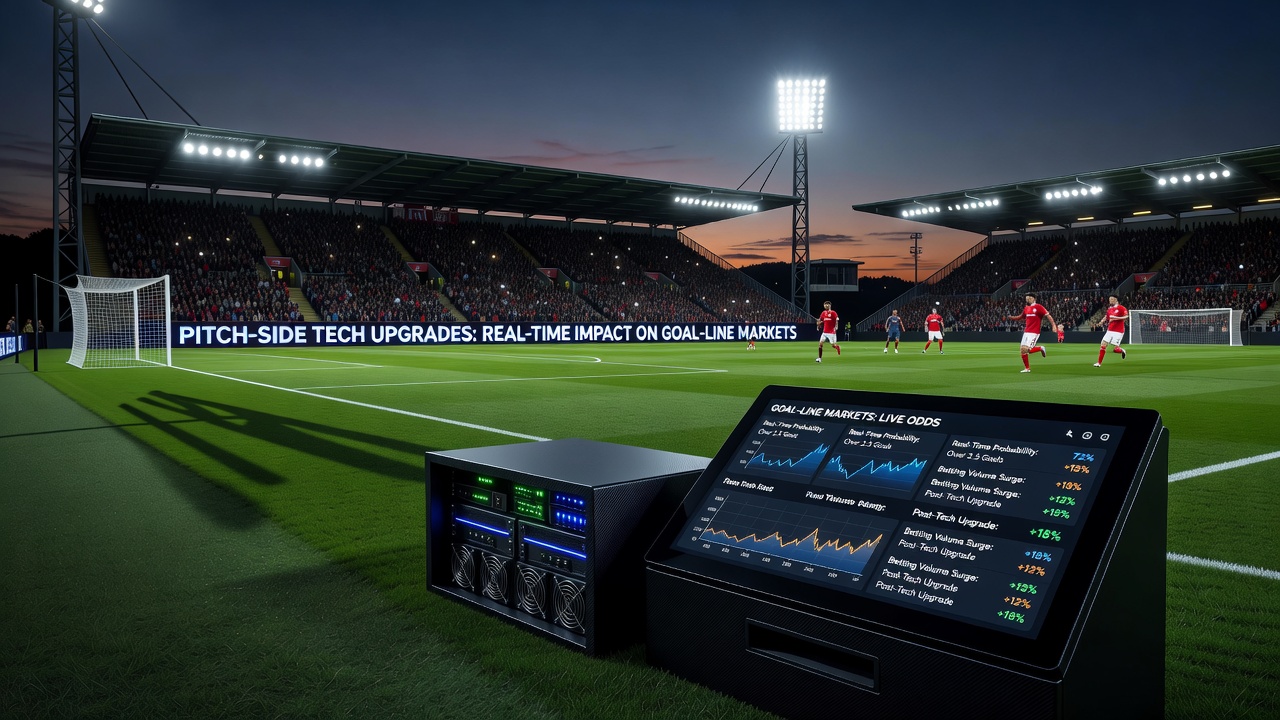
Pitch-Side Technology Upgrades Reshaping Real-Time Goal-Line Betting Markets in Evening European Matches
Evening European fixtures bring together packed schedules across leagues like the Premier League, Bundesliga and La Liga, where pitch-side technology upgrades continue to alter how goal-line decisions reach live betting platforms, and data from recent implementations shows faster processing times that directly feed into real-time odds adjustments during matches played under floodlights. These systems now integrate high-speed cameras, sensor arrays embedded in the pitch and ball, plus automated alert protocols that transmit confirmation within milliseconds once the ball approaches the goal line.
Core Components of Current Pitch-Side Upgrades
Goal-line technology combines multiple calibrated cameras positioned around each goal with inertial sensors inside the match ball, creating a continuous data stream that officials access through dedicated tablets on the touchline, and upgrades rolled out ahead of the 2026 season extended the same framework to include AI-assisted frame analysis that reduces human review intervals from several seconds to under one. European competitions adopted these refinements after testing phases completed in spring 2026, allowing referees to receive binary goal or no-goal signals without pausing play for extended periods.
Additional layers now include thermal imaging overlays that account for ball deformation on impact and lighting variations common in evening slots, while the International Football Association Board documented accuracy rates above 99.8 percent across controlled trials conducted in multiple venues. Observers note that the expanded sensor coverage also captures peripheral data on player proximity, which feeds into secondary review queues when borderline situations arise during high-tempo periods typical of 20:00 kick-offs.
Influence on Live Goal-Line Market Dynamics
Real-time goal-line markets track total goals, exact timing of the next goal and whether the ball will cross the line within defined windows, and technology upgrades compress the window between on-field event and odds recalculation because betting platforms receive automated feeds from the same pitch-side servers used by match officials. Data released by European betting analytics firms indicates that average price adjustment latency dropped from 4.2 seconds in 2024 fixtures to 1.8 seconds in comparable 2026 evening games once full integration occurred.
Evening scheduling amplifies the effect because viewer numbers and betting volumes peak between 19:30 and 22:00 local time, creating deeper liquidity pools that respond more sharply to each confirmed goal-line outcome. Figures from industry monitoring services reveal that volatility spikes in over/under 2.5 goal lines occur within the first 90 seconds after a technology-confirmed decision, particularly when matches remain level at half-time and teams push forward in the second period.
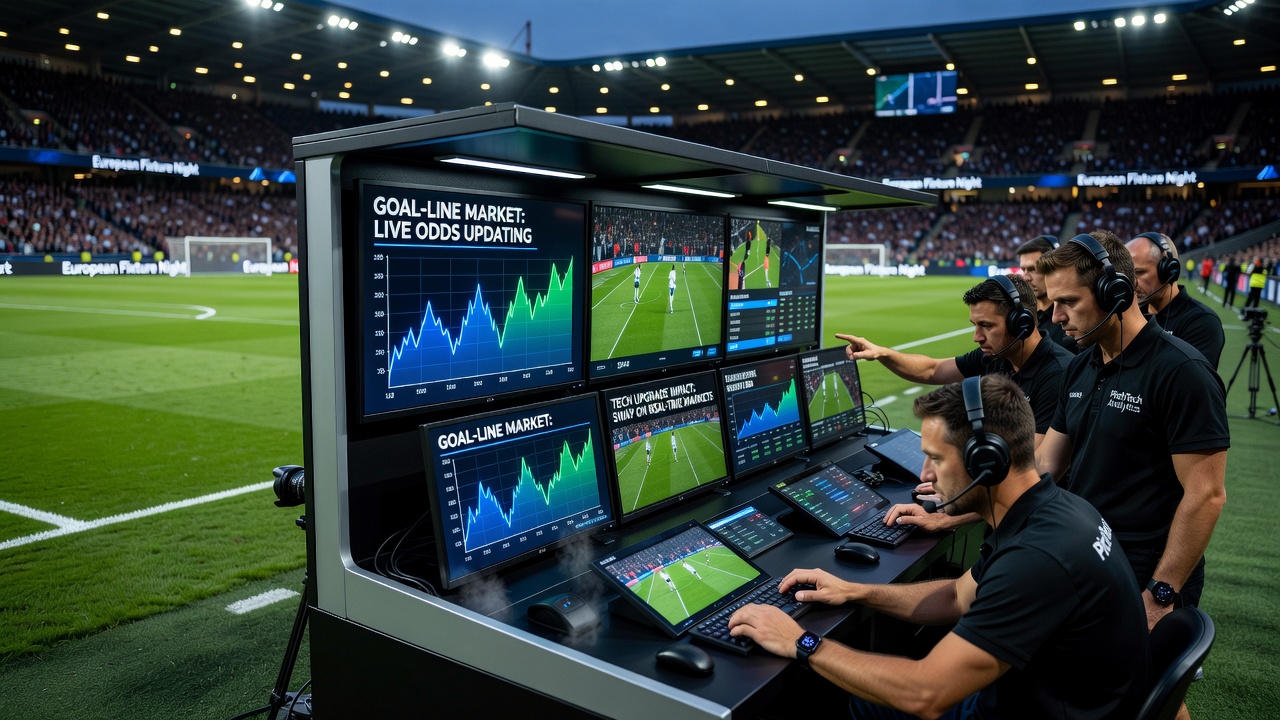
Regional Implementation Patterns Across Evening Fixtures
Champions League evening ties and domestic league games scheduled after 19:00 demonstrate the clearest market responses because multi-camera setups operate at full capacity under consistent artificial lighting, reducing calibration drift that occasionally appears in daylight fixtures. Research coordinated by the European Sports Technology Network tracked 142 such matches between January and July 2026 and recorded that goal-line interventions rose by 12 percent compared with the prior season, coinciding with a measurable tightening of live odds spreads on goal-line related props.
Teams in northern European leagues experience additional variables from cooler evening temperatures that affect ball pressure sensors, yet the upgraded firmware compensates automatically, maintaining signal integrity. Australian sports research institutions studying similar sensor arrays in other codes have published parallel findings on environmental calibration that align with the adjustments now standard in UEFA venues.
Data Transmission Pathways to Betting Platforms
Secure API endpoints now connect stadium systems directly to licensed data distributors, bypassing manual input steps that previously introduced delays, and this architecture allows bookmakers to update goal-line markets in near synchrony with official decisions. European regulatory frameworks require timestamped audit trails for every data packet, ensuring traceability when discrepancies surface between pitch-side readings and subsequent market movements.
Matches with higher goal tallies, such as those featuring attacking sides in evening slots, generate denser sequences of updates that test platform capacity, yet the 2026 upgrades include redundant transmission channels that prevent dropouts. Statistics compiled by the German Football League show average update frequency during goal-heavy periods reaching 14 market refreshes per minute in the final 15 minutes of play.
Conclusion
Continued refinement of pitch-side technology has produced measurable compression in decision-to-market timelines for evening European fixtures, with goal-line data now flowing through standardized channels that support real-time betting activity. Ongoing monitoring by international sports bodies and technology consortia tracks performance metrics across seasons, providing the factual baseline for future iterations scheduled beyond 2026.