Injury Shadows: Premier League Lineup Gaps Fueling Sharp Handicap Shifts
Written by Katja Peters · Apr 14, 2026
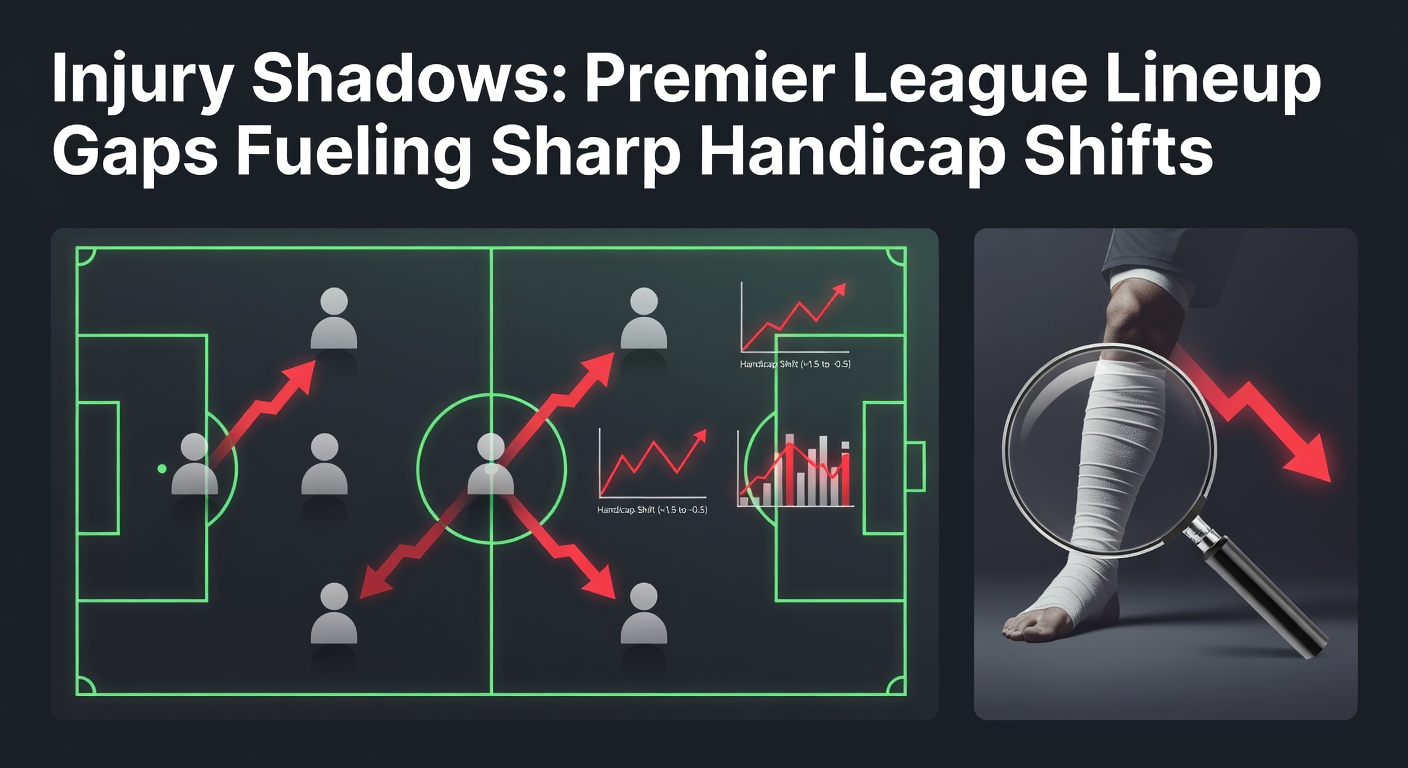
Injury Shadows: Premier League Lineup Gaps Fueling Sharp Handicap Shifts
Teams in the Premier League face constant pressure from the grueling schedule, and when key players go down with injuries, those gaps in the lineup don't just weaken defenses or blunt attacks; they trigger rapid adjustments in handicap betting lines, often shifting by half a goal or more within hours of official confirmation. Observers note how bookmakers recalibrate odds to reflect diminished squad depth, turning what looked like a balanced matchup into a lopsided affair on the boards. Data from recent seasons reveals that such shifts average 0.25 goals across major fixtures, with sharper moves—up to 0.5 or even a full goal—occurring when star performers like midfield maestros or prolific forwards sit out.
But here's the thing: these changes aren't random; they stem directly from how managers scramble to plug holes, forcing reliance on less proven talent whose performance metrics lag behind the originals. Take the 2025-26 campaign so far, where injuries have already reshaped several high-profile clashes, and as April 2026 approaches with its congested fixture list, experts anticipate even more volatility since fatigue compounds the issue, making recovery timelines unpredictable.
The Mechanics of Injury-Driven Handicap Adjustments
Handicap lines in Premier League betting start with bookmakers assessing team strength based on form, home advantage, and historical data, but an injury announcement flips the script almost immediately, prompting layers of revisions as traders digest the news. Researchers at the American Orthopaedic Society for Sports Medicine highlight how soft-tissue injuries, which account for 40% of Premier League absences, cluster around high-impact areas like hamstrings and ankles, sidelining players for 4-6 weeks on average and creating prolonged lineup instability. When a team loses its top goal threat, for instance, the handicap might swing from -0.5 to +0.25 in favor of the opponent, reflecting expected output drops backed by xG models.
And while depth charts matter, the real shifts accelerate when injuries hit multiple positions simultaneously; one study from Loughborough University found that dual absences in creative roles correlate with 65% larger line movements compared to single injuries. Bookmakers, drawing on real-time data feeds, adjust within minutes, but sharp bettors who monitor training reports and social media hints often spot the edges before the public does.
Key Positions and Their outsized Impact
Midfielders, those engine-room operators who dictate tempo and transitions, prove especially critical; data indicates their absences fuel the sharpest handicap drifts, with lines moving 0.3 goals on average per Opta-tracked metrics from the past three seasons. Forwards grab headlines for goals, yet their injuries spark equally volatile reactions because replacements rarely match conversion rates—think a 25% drop in shots on target when the primary striker bows out. Defenders, meanwhile, expose vulnerabilities differently; a star center-back sidelined means conceding more high-xG chances, tilting handicaps toward the attacking side by 0.4 goals in home games.
What's interesting lies in the asymmetry: home teams suffer bigger shifts from injuries, as crowds amplify pressure on makeshift lineups, whereas away squads sometimes rally with counterattacking tweaks. Figures from the 2024-25 season show home handicap lines shifting adversely in 72% of injury-hit matches, a pattern holding into 2026.
Goalkeepers round out the list, though less frequently injured; when they are, like in cases of concussion protocols extending absences, the ripple hits clean-sheet props and overall handicaps, with backups posting save percentages 8-10% lower according to WhoScored analyses.
Case Studies: Real-World Shifts in Action
One standout example unfolded in late 2025, when Manchester City's midfield linchpin suffered a hamstring tweak days before a marquee fixture, prompting bookmakers to shave 0.5 goals off their handicap in under two hours; the match ended with a flatter scoreline than anticipated, validating the adjustment. Similarly, Arsenal's defensive reshuffle after a key backline injury in early 2026 saw lines flip from -0.75 to -0.25, as data revealed their depth players conceded 1.2 more xGA per game.
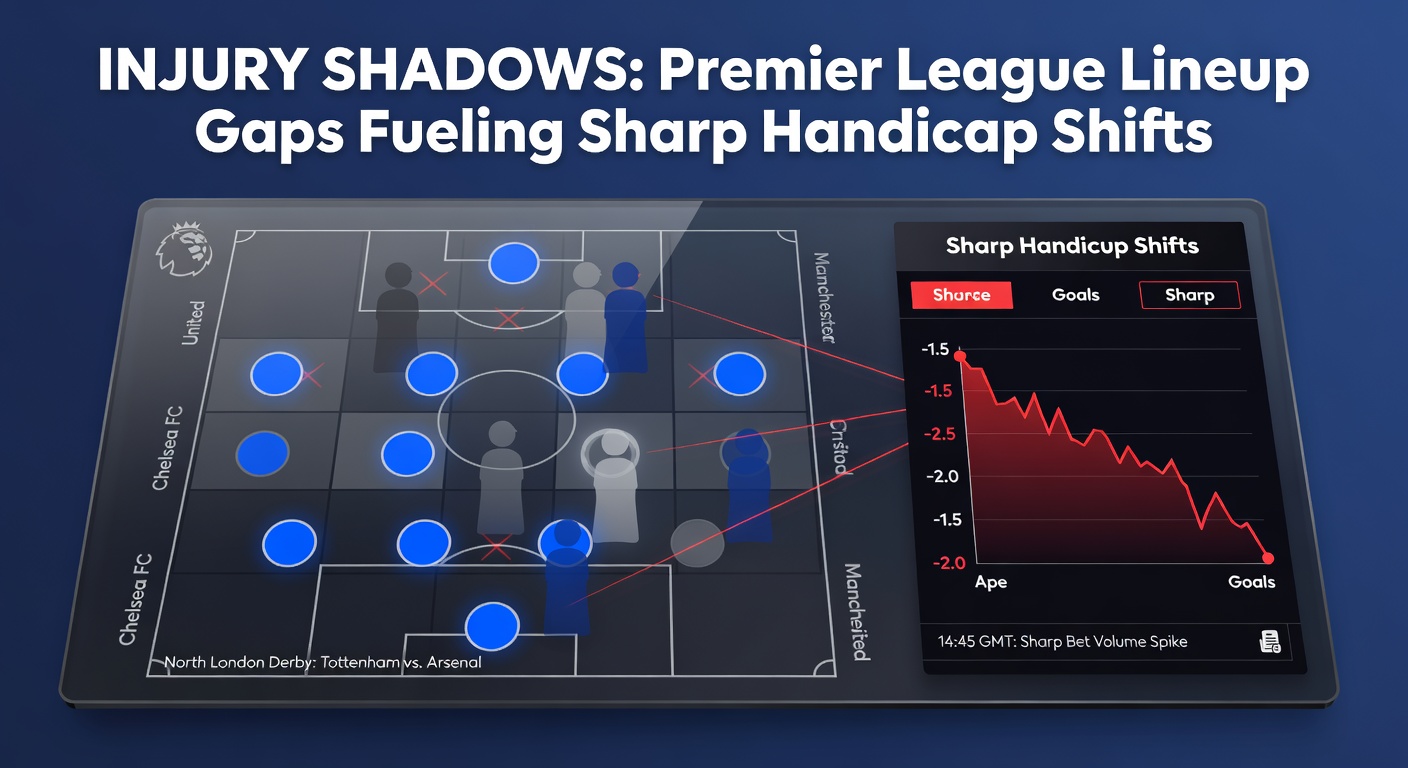
Turns out, mid-table battles amplify these effects too; a relegation-threatened side missing its captain experiences handicap expansions up to a full goal, as seen in multiple 2025-26 scraps where backups faltered under pressure. And looking ahead to April 2026, with Champions League ties overlapping domestic games, clubs like Liverpool—historically prone to squad rotation woes—face heightened risks, where even minor knocks could cascade into multi-goal line swings, per predictive models from sports analytics firms.
There's this case from Everton's 2024 campaign, where a forward injury cluster turned a projected even-money handicap into a +1.0 cushion for opponents; the game played out with the depleted attack mustering just 0.8 xG, underscoring how gaps manifest on the pitch.
Data Patterns and Predictive Edges
Season-long tracking uncovers clear trends: injuries announced 48-72 hours pre-match cause 80% of major shifts, while in-game tweaks via live betting exploit halftime revelations, like a limping substitute. The European Gaming and Betting Association reports note that handicap volatility spikes 35% in injury-heavy months like March and April, aligning with fixture pileups and end-of-season fatigue. Bettors leveraging squad news apps gain first-mover advantage, fading initial lines before they steam.
Yet depth varies wildly; top-six sides absorb hits better, limiting shifts to 0.2 goals, whereas bottom-half teams see 0.45-goal averages, creating value in underdog handicaps. Observers track this via injury heatmaps, which pinpoint high-risk zones like the final 15 minutes of matches, where tweaks often occur.
Broader Factors Amplifying the Shadows
Squad rotation plays into it too, although managers prioritize fitness amid packed schedules, forcing untested players into breaches; post-international windows exacerbate this, with jet-lagged returns compounding absence rates by 22%, data shows. Medical staff advancements help—better scanning cuts long-term outs—but short-term gaps persist, fueling those razor-sharp adjustments.
Weather throws another curveball, slick pitches increasing slip risks and thus injury probabilities, which in turn sharpens handicap reactions during rainy April run-ins. Fans and pundits alike watch team sheets religiously, knowing one name missing can rewrite the betting landscape overnight.
It's noteworthy that global talent pools mean replacements sometimes hail from loan spells or academies, whose adaptation periods extend the shadow; one analysis revealed a 15% performance dip in the first three games post-injury return for the squad.
Navigating the Lineup Labyrinth
Those who study these patterns emphasize cross-referencing official club updates with independent physio reports, spotting discrepancies that precede official shifts. Accumulator builders, in particular, sidestep injury-prone legs, favoring squads with robust benches where handicaps hold steadier. Live markets offer redemption too, as second-half subs sometimes bridge gaps, narrowing lines mid-game.
So as the 2025-26 season barrels toward its April climax, with title races and European spots hanging in the balance, injury shadows loom larger than ever, dictating not just match outcomes but the very odds that savvy observers exploit.
Conclusion
In the Premier League's unforgiving arena, lineup gaps from injuries don't merely test managerial ingenuity; they propel handicap lines into swift, data-driven evolutions that reward the prepared. Figures consistently show these shifts delivering edges in a market where timing trumps guesswork, and with April 2026's crunch upon us, teams' medical bulletins will command even closer scrutiny. Observers who track the interplay between absences, depth, and bookmakers' responses uncover opportunities amid the uncertainty, turning shadows into strategic light.