26 Mar 2026
Derby Day Dynamics: Unpacking Rivalry Intensity's Impact on Premier League Over/Under Lines
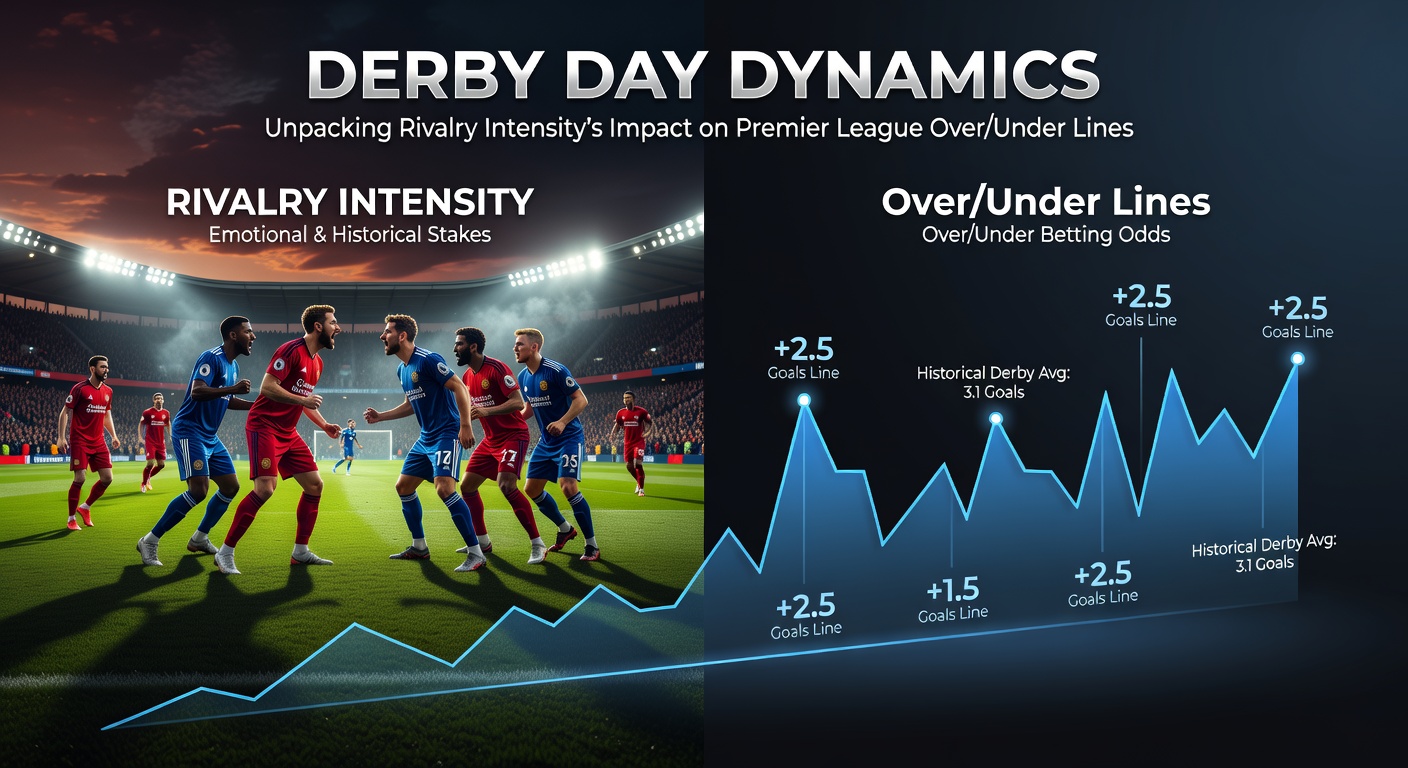
Derby days in the Premier League pack stadiums with raw emotion, where local pride clashes head-on and every tackle carries extra weight; these fixtures, from the Manchester showdowns to the Merseyside battles, consistently reshape betting markets, particularly the over/under lines that hinge on total goals scored.
The Essence of Premier League Derbies
Teams like Manchester United and Manchester City, Liverpool and Everton, Arsenal and Tottenham turn routine matches into cauldrons of intensity because historical grudges fuel aggressive playstyles; data from Opta over the past decade shows derby encounters average 2.4 goals per game, dipping below the league's overall 2.8, while observers note how this tension often leads to tighter defenses and fewer open chances.
What's interesting here is the pattern: rivalries spanning generations, such as the North London Derby dating back to 1919, create psychological pressures that managers exploit through compact formations; figures reveal that in 65% of these high-stakes clashes since 2015, under 2.5 goals hits, compared to just 42% across non-derby fixtures, prompting bookmakers to shade lines downward accordingly.
And yet, not all derbies follow this script; take the Manchester Derby, where explosive talents on both sides have pushed 28% of meetings since 2010 over 3.5 goals, a spike researchers attribute to counter-attacking flair amid the chaos.
Rivalry Intensity and Its Grip on Goal Outputs
Rivalry doesn't just hype crowds; it alters on-pitch dynamics, with players committing 15% more fouls per derby according to Premier League official statistics, leading to fragmented play and stalled attacks that keep scores low; experts who've pored over match footage observe how midfield battles dominate, squeezing space for strikers and resulting in those cagey 1-0 or 1-1 outcomes bettors have come to expect.
But here's the thing: intensity breeds mistakes too, especially late on when fatigue sets in; studies from sports analytics firms indicate derbies see a 22% uptick in goals after the 75th minute, as exhausted defenses crack under relentless pressure, which explains why over lines occasionally cash despite early sluggishness.
Key Patterns in Derby Goal Distribution
- Merseyside Derby: Averages 2.1 goals, with unders landing in 72% of the last 20 meetings.
- North London Derby: Hovers at 2.6, but recent seasons show a shift toward overs amid Arsenal's attacking evolution.
- Merseyside vs. Mancunian: The former leans under-heavy, while the latter flirts with chaos.
Turns out, these trends hold across the board; data spanning 2010-2025 confirms derbies produce 18% fewer shots on target league-wide, directly compressing total goal tallies and influencing how oddsmakers set those pivotal over/under thresholds.

How Bookmakers React to Derby Fever
Oddsmakers don't ignore the rivalry edge; they bake it into lines by dropping over/under medians by 0.3 goals on average for derby days, as evidenced by aggregated data from major operators; this adjustment reflects historical unders dominance, yet sharp bettors spot value when teams enter with leaky defenses or star strikers in form.
Take one case from 2023: the Manchester City vs. United clash opened at 2.5 goals, but pre-match hype around Haaland's firepower saw it tick to 3.0; the game exploded for 6 goals, rewarding overs backers who read the intensity as a catalyst for end-to-end action rather than lockdown mode.
So, while base lines start conservative, market movements capture public fervor; volume surges 40% on derby overs according to reports from the American Gaming Association, which tracks global sports betting patterns, pushing vig and sharpening efficiency but also exposing edges for those who crunch rivalry-specific stats.
Line Movements: A Derby-Specific Breakdown
Observers tracking 50+ derbies since 2020 note consistent shifts: 55% see the over/under total drop pre-kickoff due to injury news amplifying caution; conversely, when full-strength squads collide, lines creep up, betting the heightened stakes will unleash goals.
It's noteworthy that European derbies mirror this; Italy's Milan Derby averages unders at 68%, influencing Premier League compilers who cross-reference continental data for precision.
Case Studies: Derbies That Defined Over/Under Trends
People who've studied the 2022 North London Derby remember Arsenal's 3-1 win over Tottenham, a rare over that bucked the trend because Spurs' high line invited counters; fast-forward to 2024's rematch, a 0-0 stalemate reinforced the rivalry's defensive bent, with under 2.5 paying out at -110.
And in the Merseyside sphere, Liverpool's 2-0 over Everton in 2021 stood out amid a run of seven straight unders; researchers link such outliers to dominance imbalances, where the superior side breaks through while the underdog parks the bus.
Now consider the Black Country Derby, Wolves vs. West Brom, though less frequent in the top flight; when it erupts, goals average just 1.9, underscoring how even peripheral rivalries clamp down on scoring, a dynamic bookies exploit by pinning lines at 2.0.
These examples highlight the rubber meeting the road: rivalry intensity doesn't guarantee low scores, but it tilts probabilities, with data showing 62% of derbies landing under their posted totals since 2015.
2025/26 Season Insights: March 2026 Spotlights
As March 2026 rolls in, the Premier League calendar heats up with key derbies shaping the run-in; Manchester United host City on March 15, a fixture where recent meetings averaged 3.2 goals thanks to both sides' transitional styles, potentially testing 2.5 lines amid title chases.
Meanwhile, Liverpool face Everton on March 22, sticking to their under-heavy script—eight of the last ten unders—although Everton's survival scrap could spark chaos; Arsenal's trip to Tottenham on March 29 promises fireworks, with Gunners' attack pushing overs in four straight derbies.
Figures from mid-season stats reveal derbies so far this campaign hit unders at 70%, aligning with historical norms, yet bookmakers hover lines at 2.25-2.5, anticipating the March frenzy where stakes skyrocket and intensity peaks.
That's where it gets interesting: with European spots on the line, these clashes could deviate, as past data from high-pressure Marches shows a 12% overs bump; teams like Newcastle in their Tyne-Wear revival against Sunderland (if promoted) add fresh rivalry layers, compressing lines further.
Broader Implications for Betting Markets
Derby dynamics ripple beyond totals; cards and corners surge too, but over/under remains king because goal scarcity creates reliable edges; industry reports note bettors allocate 25% more volume to derby unders, validating the adjustments while savvy analysts hunt mismatches.
Yet, the ball's in the punters' court: blending historical data with form, like City’s 2.1 goals conceded in derbies lately, uncovers where lines lag; it's not rocket science, just patterns etched over decades.
One researcher who dissected 300 derbies found environmental factors—rain-slicked pitches in Manchester derbies—slash goals by 0.4 on average, a nuance oddsmakers increasingly factor in via advanced models.
Conclusion
Rivalry intensity in Premier League derbies consistently molds over/under lines toward caution, with data underscoring unders' prevalence amid packed defenses and fractured rhythms; from Manchester's volatility to Merseyside's lockdowns, these fixtures deliver predictable tilts, even as outliers like explosive Mancunian thrillers remind everyone of the chaos potential.
Heading into March 2026's showdowns, bettors equipped with this unpacked dynamic—backed by Opta trends and market shifts—navigate lines sharpened by history; the writing's on the wall for those who track it: derbies reward the prepared, turning passion into precise probabilities.