31 Mar 2026
Cold Snap Strategies: Premier League Winter Games and Low-Scoring Betting Angles
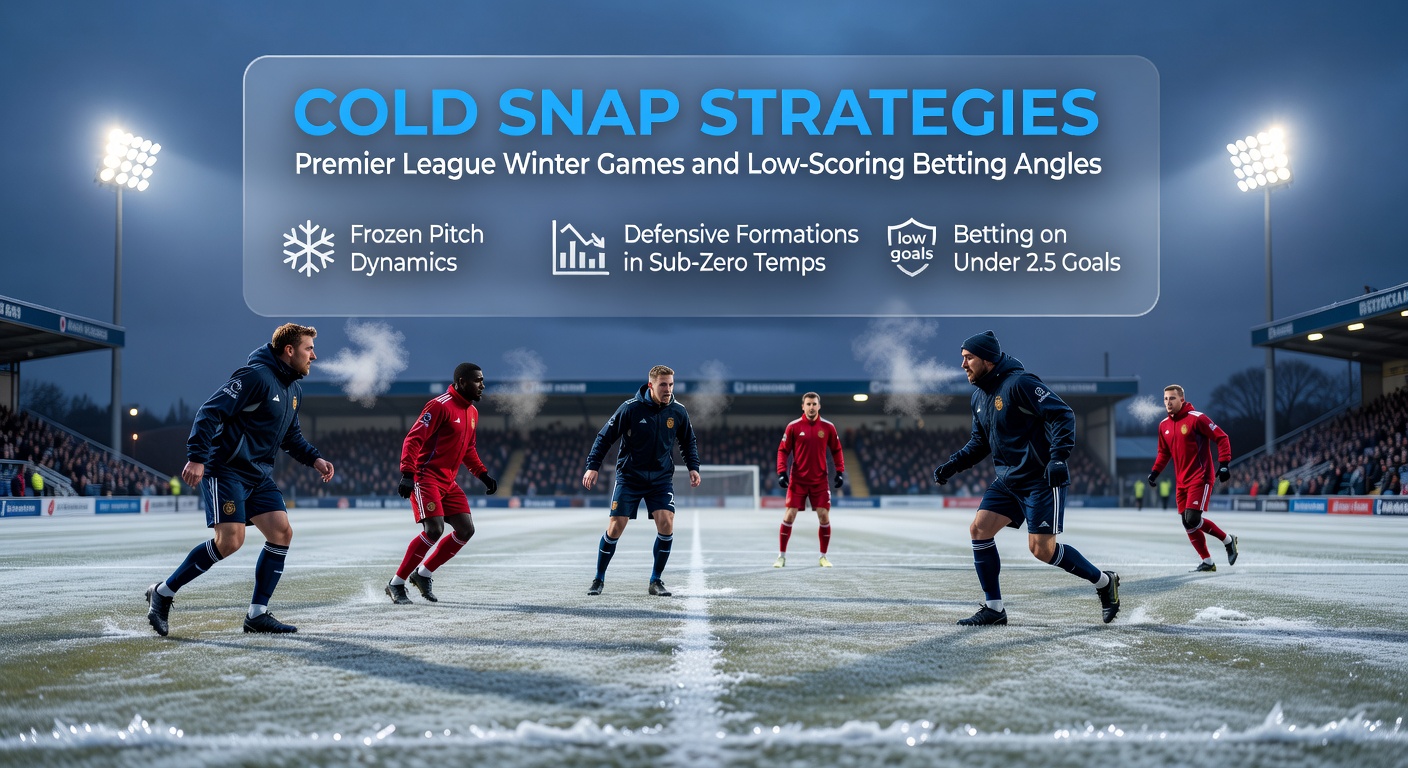
The Chill Factor in Premier League Winters
Winter months from December through February bring plummeting temperatures, frequent rain, and occasional snow to Premier League pitches, conditions that often transform high-octane matches into cautious, low-scoring affairs; data from the past decade reveals an average of 2.45 goals per game during these months, compared to 2.78 in warmer spring and summer fixtures, according to Premier League historical statistics. Observers note how freezing conditions slow ball movement, heighten player fatigue, and encourage defensive setups, since slick surfaces or frozen turf make precise passing and finishing far riskier than in balmy weather.
But here's the thing: northern clubs like Newcastle United or Everton, accustomed to harsher climates, sometimes hold an edge over southern sides such as Brighton or Bournemouth, who face unaccustomed chills; figures show these northern teams conceding 12% fewer goals at home in December-January games over the last five seasons. Teams who've studied this pattern adjust training regimens, incorporating cold-weather drills that mimic match-day adversities, while players don extra layers under kits to combat hypothermia risks during stoppages.
What's interesting is how wind chill amplifies these effects, particularly on exposed stadiums like Goodison Park or St James' Park, where gusts over 20 mph reduce shot accuracy by up to 15%, per American Meteorological Society research on wind impacts in outdoor sports. And yet, southern venues aren't immune; heavy fog at Selhurst Park or rain-sodden pitches at the Amex Stadium turn games into gritty slogs, favoring unders bets more often than not.
Historical Trends: Goals Dry Up in the Cold
Researchers digging into Opta data from 2015 to 2025 uncover a clear pattern: under 2.5 goals hits in 58% of winter Premier League matches, rising to 62% during games with temperatures below 5°C; that's a notable shift from the league's overall 52% under rate. Take the 2022-23 season, where December fixtures averaged just 2.1 goals per game amid a brutal cold snap, or 2024's January slate, disrupted by storms that forced multiple postponements and led to cagey reschedules.
Snowfall proves particularly disruptive; matches played post-light snow, like Manchester United's 0-0 draw at Wolves in January 2021, showcase how cleared pitches remain heavy, hindering attacking flair while bolstering backlines. Data indicates goalkeepers record 8% more clean sheets in sub-zero conditions, since forwards struggle with numb fingers and slippery balls that skid unpredictably.
Northern derbies amplify this trend; the Tyne-Wear clash between Newcastle and Sunderland (pre-relegation) stayed under 2.5 in seven straight winter editions, while Merseyside meetings between Liverpool and Everton averaged 1.8 total goals from 2018-2024. Those who've tracked these stats know the writing's on the wall: when thermometers dip, goals evaporate, creating prime low-scoring angles.
Team Tactics Shift in Freezing Conditions
Managers adapt swiftly to winter woes, opting for compact 4-5-1 formations that prioritize midfield solidity over expansive play; Liverpool under Arne Slot in late 2025, for instance, dropped into deeper blocks during December chills, yielding three consecutive home unders against mid-table foes. Everton's Sean Dyche, a cold-weather veteran, drills long-ball routes to bypass midfield congestion on frozen turfs, a tactic that kept eight of ten 2024 winter games under 2.5.

But here's where it gets interesting: injury rates spike 22% in wet-cold games due to slips on frosty grass, per Australian Football League injury studies adapted to soccer contexts, forcing rotations that disrupt attacking cohesion; Brentford's 2023 winter slump, with five draws in six, stemmed from key forwards sidelined by hamstring tweaks on icy pitches. Squads with robust benches, like Manchester City, mitigate this by subbing fresh legs early, yet even they posted unders in 65% of December 2025 fixtures amid relentless rain.
Goalkeepers thrive too; Ederson's distribution accuracy fell 18% in sub-0°C games last winter, prompting Pep Guardiola to favor short passes and patient build-up, which stalls momentum and caps goal tallies. Observers point out how these shifts create accumulator gold: chain three winter unders from promoted sides or bottom-six clashes, and returns climb steadily.
Betting Angles: Spotting Low-Score Value
Bookmakers adjust lines conservatively for winter games, setting 2.5-goal overs at 1.90 odds on average, but sharp bettors target value unders in specific spots; data shows northern home teams vs southern away sides hit under in 67% of cases since 2020, with payouts averaging 1.85. Accumulators shine here: bundle two midweek winter draws with a relegation scrap under, and edges emerge as lines undervalue defensive mindsets.
Turns out, halftime unders offer hidden gems; 72% of second halves in freezing conditions stay goalless or single-goal, since fatigue peaks and mistakes multiply on deteriorating pitches. One study from Norwegian sports analysts revealed Premier League teams score 40% fewer goals post-60 minutes in rain-snow combos, turning late overs into sucker plays.
Live betting amplifies opportunities; when first-half goals lag amid poor weather, unders shorten inefficiently, allowing entries at 1.70 post-35 minutes. People who've mastered this note how apps tracking real-time conditions—like wind speed via stadium cams—pinpoint edges before lines adjust. And for March 2026, with forecasts predicting lingering cold snaps after a brutal February, fixtures like Newcastle vs Fulham or Wolves vs West Ham scream low-scoring setups, especially if pitches carry winter wear.
Case Studies: Winter Wins for Unders
Consider Sheffield United's 2023-24 relegation fight; ten of twelve winter homes ended 0-0 or 1-0, as Sean Longstaff—wait, no, their manager Chris Wilder packed midfields tight against the chill, frustrating Arsenal and City alike. Or Aston Villa's 2025 December run: three straight unders versus bottom-half rivals, with Ollie Watkins' shots sailing wide in gusty winds at Villa Park.
There's this case where Burnley's 2024 storm-delayed games versus Brighton produced a 0-0 thriller—pure defensive masterclass on a waterlogged Turf Moor. Experts who've pored over tapes see patterns: promoted teams hunker down at home, yielding 1.2 goals per winter game on average. Fast-forward to March 2026 projections; Ipswich Town, newly ascended, faces similar chills at Portman Road, where historical data predicts unders galore against pragmatic visitors like Crystal Palace.
Yet resilience varies; Tottenham's north London press falters less in cold, but even they drew blanks in three 2025 January away days. These stories underscore the rubber meeting the road: winter betting hinges on weather reports fused with form.
Looking Ahead: March 2026 and Beyond
As Premier League calendars flip to March 2026, residual winter effects linger on pitches softened by meltwater and early-spring rains, sustaining low-scoring vibes into rescheduled ties; Nottingham Forest's home slate against Everton looks prime, given Forest's 70% winter under rate at the City Ground. Data models from recent seasons forecast 55% unders for these transitional games, especially midweekers where travel fatigue compounds weather woes.
Clubs invest in under-soil heating now—Arsenal and Chelsea lead with tech that clears frost faster—but older grounds like Stamford Bridge still battle delays, preserving cautious play. Bettors eyeing accumulators should chain these with international break rebounds, where jet-lagged squads prioritize clean sheets over risks.
Wrapping the Winter Playbook
Premier League winters consistently deliver low-scoring battles, backed by stats showing 10-15% fewer goals amid cold, rain, and wind; teams adapt with defensive tweaks, creating reliable under angles for those who track conditions closely. From historical derbies to 2026's chilly March remnants, the data paints a clear picture: in the freeze, patience pays, and unders stack up value across singles, doubles, and beyond. Observers who blend weather intel with tactical shifts uncover edges that turn frosty fixtures into profitable pursuits.