Climatic Factors Redefining Scoring Thresholds in English Top Flight Wagers
Written by Amir Friedrich · Aug 20, 2026
Climatic Factors Redefining Scoring Thresholds in English Top Flight Wagers
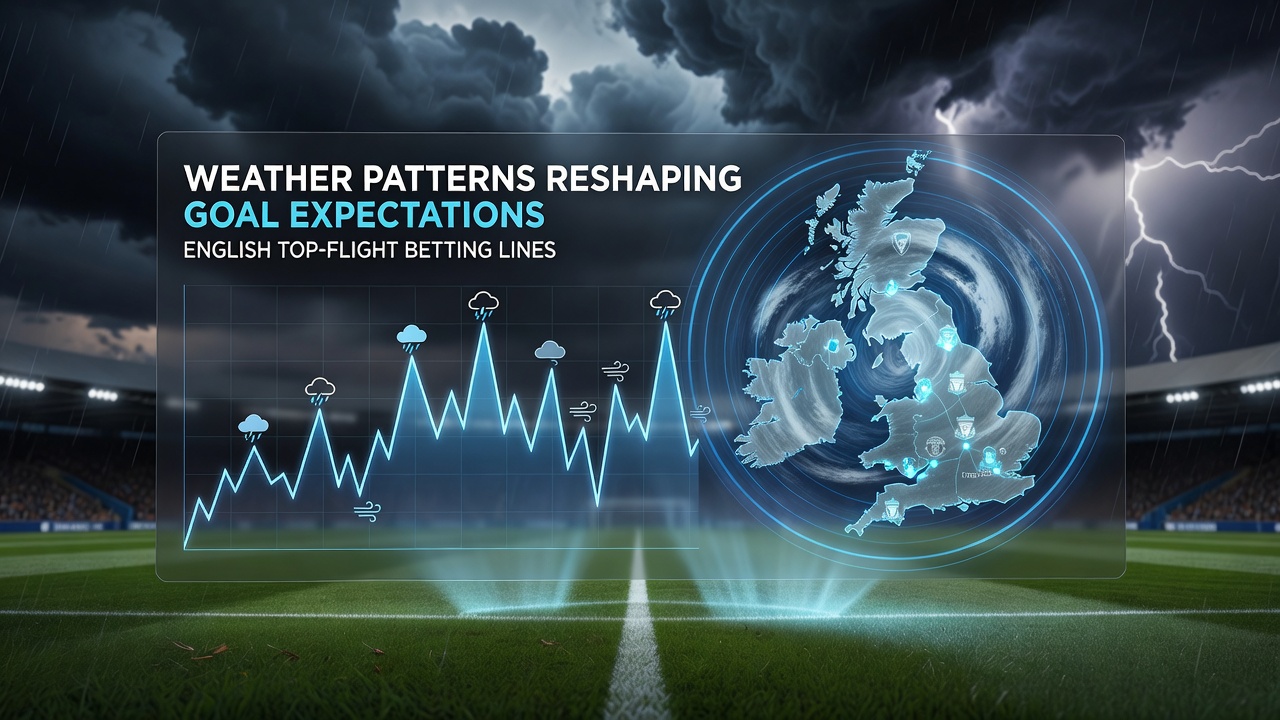
Weather conditions have long influenced football matches across England yet their direct effects on goal projections within betting markets continue to draw fresh attention from analysts and oddsmakers alike. Data compiled over multiple Premier League seasons shows measurable shifts in scoring rates tied to precipitation levels, wind speeds, and temperature variations, and these patterns prompt adjustments in over/under lines and expected goals metrics. Observers note that bookmakers incorporate meteorological forecasts into their models, particularly when fixtures occur during periods of unstable atmospheric activity.
Precipitation and Its Measurable Impact on Play
Rainfall alters pitch surfaces and reduces ball speed, which in turn limits the number of clear scoring opportunities during matches. Historical records indicate that games played in moderate to heavy rain produce fewer total goals on average compared to dry conditions, and this trend holds across multiple venues in the top flight. Researchers at institutions tracking performance data have quantified these reductions, linking them to decreased shot accuracy and longer build-up phases that defensive units exploit more effectively. When heavy showers arrive in August 2026, early season fixtures may see similar patterns emerge, especially on grounds without advanced drainage systems.
Wind presents another variable that disrupts aerial duels and passing accuracy. Gusts exceeding certain thresholds correlate with lower completion rates for long-range passes and set pieces, which in turn compresses the volume of shots taken from distance. Analysts examining match footage alongside weather station readings have documented how teams adapt formations to keep the ball on the ground, and such tactical adjustments often lead to tighter scorelines than weather-neutral forecasts would predict.
Temperature Extremes and Player Output
Heat and cold each exert distinct pressures on physical performance and recovery. Elevated temperatures during late summer or early autumn fixtures accelerate fatigue, particularly among players unaccustomed to sustained high-intensity efforts in warmer conditions. Studies tracking heart rate and distance covered reveal declines in high-speed running after the sixty-minute mark, and these reductions coincide with fewer goals scored in the closing stages. Conversely, colder temperatures stiffen muscles and affect grip on the ball, leading to more frequent handling errors and misplaced passes that create counter-attacking chances for organized sides.

Market makers respond to these environmental cues by shifting goal expectation figures and adjusting totals accordingly. When forecasts indicate persistent rain or strong winds, lines on over 2.5 goals frequently move lower, reflecting the historical tendency toward under outcomes. Bettors who monitor both team form and meteorological reports gain access to timing advantages, especially in matches where one side relies heavily on wing play or high crosses that suffer most under adverse conditions.
Regional Variations Across Stadiums
Stadiums situated in exposed coastal or northern locations experience more pronounced weather effects than sheltered southern venues. Data aggregated by performance analytics platforms demonstrate that average goal tallies drop more sharply at certain grounds during periods of unsettled weather, and oddsmakers apply venue-specific modifiers when setting initial lines. This differentiation becomes particularly relevant during winter months when cold fronts sweep across the country, yet the same principles apply to summer thunderstorms that can interrupt or alter match dynamics.
According to information from the European Centre for Medium-Range Weather Forecasts, improved modeling accuracy now allows earlier identification of high-impact weather windows. Teams and analysts incorporate these forecasts into preparation routines, adjusting training intensity and set-piece drills to match expected conditions. Such preparation influences both on-pitch outcomes and the subsequent movement of betting markets once lineups and weather updates become public.
Integration With Modern Betting Models
Expected goals frameworks now routinely include environmental variables alongside traditional metrics such as possession and shot location. When weather data feeds into these algorithms, projections shift in ways that mirror observed historical results, and this alignment strengthens confidence in market pricing. Figures from industry reports compiled by research groups tracking European football show consistent correlations between specific weather thresholds and goal production rates, enabling more precise calibration of handicap and totals lines.
One study released through academic channels examined five seasons of Premier League data and found statistically significant goal reductions during matches with sustained rainfall above a defined threshold, while wind speeds above another threshold produced comparable effects on total shots. These findings have prompted several analytics departments to embed real-time weather inputs into their pre-match evaluations, and the resulting adjustments appear in published betting lines well before kickoff.
Conclusion
Weather patterns continue to reshape goal expectations in English top-flight betting markets through documented influences on pitch conditions, player output, and tactical choices. As forecasting precision improves and data integration deepens, the relationship between atmospheric conditions and scoring outcomes becomes more transparent to both market makers and those who follow the lines. August 2026 fixtures will provide further test cases for these established correlations, particularly if early season weather deviates from long-term averages.