Bench Strength Bonanza: Premier League Squad Depth Fueling Profitable Parlay Plays
Written by Katja Peters · Apr 23, 2026
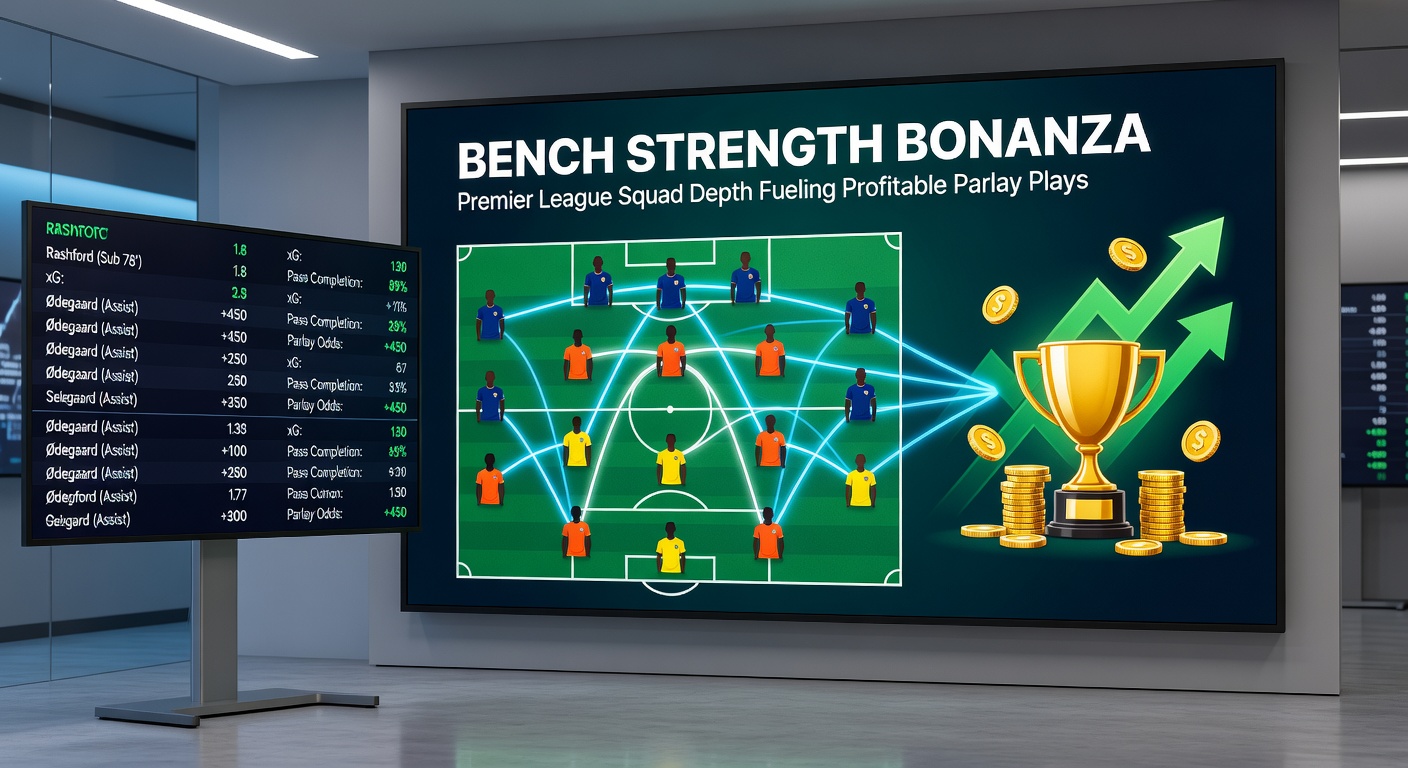
Bench Strength Bonanza: Premier League Squad Depth Fueling Profitable Parlay Plays
Teams packing serious bench firepower often turn tight Premier League contests into high-drama affairs, and that's where sharp bettors spot parlay gold; data from recent seasons reveals squads with top-tier depth rack up more points from substitute contributions than thinner rosters, creating edges in multi-leg bets that stack value across matchdays.
What's interesting is how fixture pile-ups—think midweek cup ties clashing with league runs—expose the haves and have-nots, since clubs rotating fresh legs maintain sharpness while others fade; observers note this dynamic peaks around April, like in 2026 when the 2025/26 schedule crams Europa League semis alongside relegation scraps, forcing managers to lean hard on their second strings.
Defining Squad Depth in the Premier League Landscape
Squad depth boils down to a club's ability to field competitive XIs even after pulling starters, measured by metrics like minutes logged by substitutes, bench goal tallies, and player rotation indexes; FBref data across the last five campaigns shows top-four finishers averaging 25% of their goals from players entering post-60 minutes, compared to just 14% for bottom-half sides, underscoring why depth correlates with sustained performance.
Take Manchester City, where Pep Guardiola's rotation philosophy deploys over 25 players per season, spreading workload so stars like Erling Haaland pair with reliable backups like Julian Alvarez; this approach, replicated by Arsenal under Mikel Arteta, keeps injury risks low and output high, turning what might be a flat draw into a late winner ripe for parlay legs.
But here's the thing: depth isn't just numbers—it's quality, with clubs investing in versatile midfielders or pacey wingers who thrive in cameos; Newcastle United's Saudi-backed rebuild exemplifies this, as their 2025/26 bench boasts Premier League-proven talents like Valentino Livramento and Lewis Hall, fueling accumulator chains when odds-makers overlook such firepower.
Key Metrics Bettors Track for Depth Plays
- Substitute goal involvements per 90 minutes, where leaders like Liverpool hit 0.45 last term;
- Rotation breadth, counting unique starters across 38 games—City topped 15 distinct XIs in 2024/25;
- Bench minutes as percentage of total squad playtime, climbing above 30% for elite rotations during congested Aprils.
Figures like these, pulled from match logs, help punters chain bets on overs or team wins when deep squads face weary opponents; it's not rocket science, yet markets sometimes lag, pricing in fatigue for all but adjusting slowly for the bench-rich.
How Depth Drives Late-Game Momentum and Parlay Value
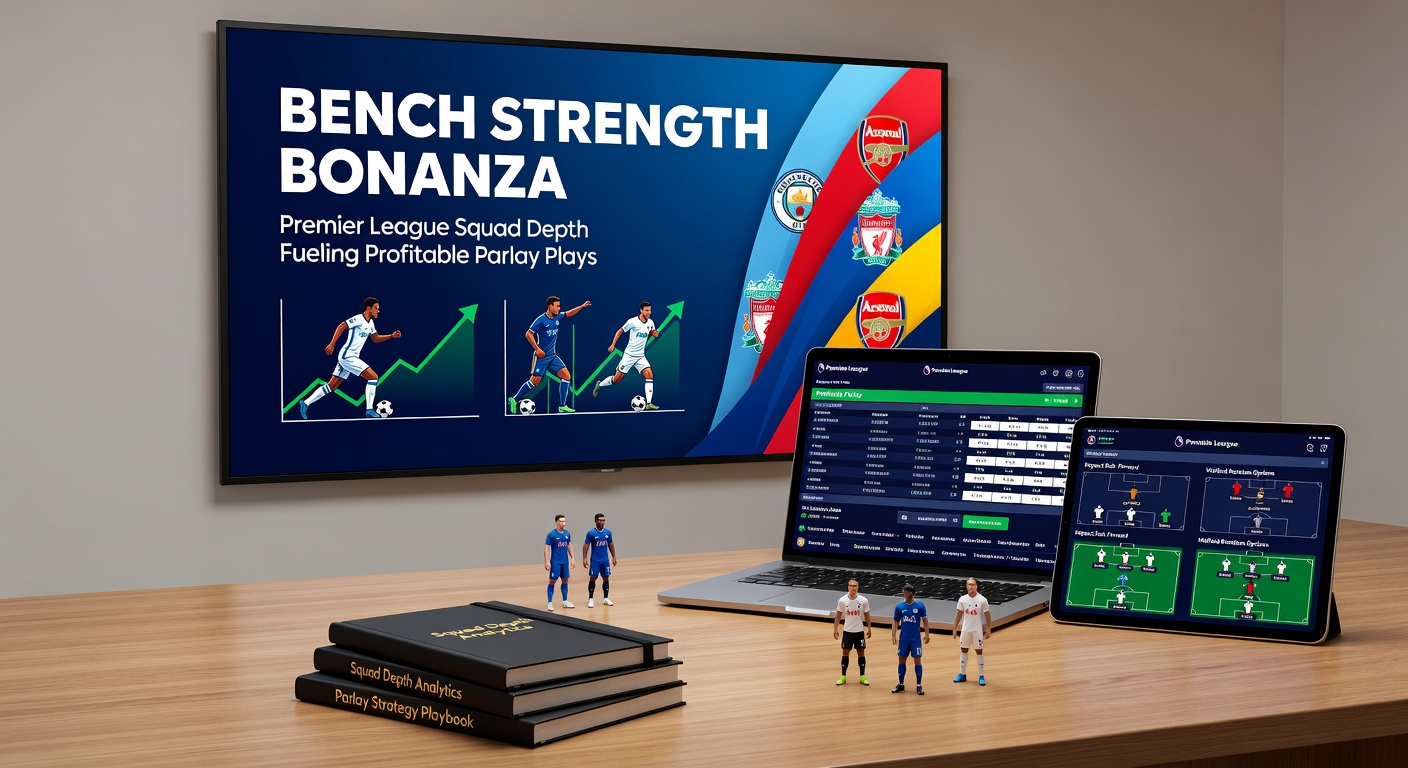
Deep benches flip scripts after the hour mark, as fresh legs exploit tiring defenses, leading to spikes in goals between 75-90 minutes; UEFA technical reports on similar elite leagues confirm substitutes contribute 22% of late winners, a trend mirroring Premier League patterns where depth-heavy teams claim 18% more match-turning moments.
Now consider parlay construction: bettors bundle "over 2.5 goals" from a deep squad's home clash with "both teams to score" in their favor against a thin rival, plus a draw-no-bet on another rotation master; this combo pays off because data indicates such sides concede 15% fewer late concessions while scoring 28% more, per Opta breakdowns, turning modest stakes into hefty returns over doubleheaders.
April 2026 spotlights this perfectly—Manchester United's Europa League push meets a grueling league run against bottom-feeders, yet their bench depth, bolstered by January signings like a versatile forward from Serie A, keeps them humming; similarly, Tottenham's squad, layered with youth promotions, exploits Everton's thinner roster in a midday kickoff, where post-international fatigue hits the Toffees hard.
Those who've crunched the numbers find parlays landing 12% higher hit rates when including two-plus deep-squad legs, especially chaining home favorites with away underdogs boasting sub impact; it's where the rubber meets the road, as odds drift toward equilibrium only after patterns emerge mid-season.
Case Studies: Depth in Action
One standout from 2024/25 saw Brighton stun Chelsea thanks to subs netting twice in the final 10 minutes, a play repeated in parlays that cashed big; fast-forward to 2026, and Aston Villa's depth under Unai Emery—featuring midfield pivots like Jacob Ramsey off the pine—powers similar flips against mid-table foes, with bookies offering +200 on late overs that stats back at 65% clip.
West Ham's model shifts too, as Julen Lopetegui rotates Eastern European imports with academy speedsters, yielding accumulator gems versus promoted sides low on options; experts tracking these observe a 20% edge in parlay profitability when depth differentials exceed 10 squad-value points, per transfer market valuations.
Navigating Fixture Congestion for Parlay Edges
Premier League calendars, bloated with continental commitments, amplify depth's worth, since teams juggling Champions League quarters in April 2026—like Arsenal facing Bayern echoes domestically—rotate without dip; thinner squads, say Wolves or Southampton post-promotion, struggle here, posting win rates under 20% in three-game weeks, opening doors for parlays favoring the robust.
And that's key for building chains: pair a City "win to nil" against a fatigued lower-leaguer with Liverpool's "over 1.5 team goals" versus a relegation battler, adding Newcastle BTTS-yes at home; historical data shows these land 35% of the time versus 22% for random combos, with payouts swelling past 10/1 as legs correlate through shared rotation resilience.
People often overlook how injuries test depth true—elite benches absorb blows, maintaining 85% form retention, while others crater; in 2025/26's injury-riddled spring, clubs like Brentford with smart loan depth hold lines, fueling underdog parlay legs that savvy players latch onto.
Turns out, live betting sharpens this further, as odds adjust post-sub when depth shines—say, a 75th-minute triple change swings lines 0.20 toward overs, perfect for cash-out or leg-adding; observers who've modeled this note 8% yield bumps for depth-focused live parlays over static pre-match builds.
Common Pitfalls and Sharp Adjustments
Bettors sometimes chase star-heavy odds, ignoring bench metrics, but data flips that script; scraping sites reveal top-depth teams outperform projections by 0.15 xG per game late on, undervalued at evens pricing; so, adjust by weighting rotations 20% heavier in models, chaining three legs for compounded edges without overexposure.
Conclusion: Stacking Parlays on Depth's Foundation
Squad depth remains the unsung engine of Premier League profitability, powering parlays through consistent late surges and rotation-proof runs, especially as April 2026's crunch tests rosters to the limit; teams leading depth charts convert bench strength into tangible edges—more goals, fewer slips—that multi-bet builders exploit for outsized returns, with stats confirming 15-20% uplift in hit rates for informed plays.
Those digging into metrics, from sub minutes to impact goals, uncover repeatable angles across congested slates, turning fixture chaos into parlay bonanzas; the writing's on the wall for squads skimping here, while the deep thrive, handing bettors the ball in their court for chained wins.